Aputure Amaran
Aputure Amaran is a practical lighting choice for creators, solo shooters, small crews, home studios, and hybrid production teams that need flexible gear for everyday video work. Rather than focusing only on large-scale lighting builds, Amaran products are often chosen for setups where portability, fast deployment, smaller shooting spaces, and day-to-day usability matter just as much as output. This collection is designed for buyers comparing Amaran gear as part of a real working setup rather than browsing lighting products without a clear production context.
For many users, the buying decision starts with how the light will actually be used. Some need a dependable main light for content creation, interviews, livestreaming, or small studio production. Others are looking for a supporting fixture that improves flexibility, fills in a missing role in the setup, or makes it easier to work in tighter spaces and faster-paced shooting environments. In practice, choosing the right Amaran gear usually comes down to setup size, mobility needs, ease of use, output expectations, and how easily the light fits into a repeatable workflow.
Whether the goal is building a better creator setup, improving a home or studio lighting arrangement, or adding more adaptable tools to a small production workflow, Amaran gear is usually selected for its balance of flexibility and practicality. This page is meant to help buyers browse the Amaran range with that use-case mindset, so product selection is driven by real production needs rather than generic brand language.

How to Choose the Right Amaran Gear for Your Setup
The best place to start is with the kind of space you shoot in and the role the light needs to play. Some users need a light that can serve as the main source in a creator studio, interview setup, or small commercial production. Others may be looking for a more flexible supporting light that helps complete an existing setup without adding too much complexity. In many cases, the right Amaran product depends on shooting space, setup speed, portability, output needs, and how often the gear needs to be deployed, moved, or adjusted.
It also helps to think about how simple or expandable the setup needs to be. Amaran gear is often chosen by users who want lighting tools that are approachable for regular use but still flexible enough to support more developed productions over time. That balance makes it especially useful for setups where everyday usability matters as much as raw capability.
Should You Start with a Main Light, Supporting Light, or Creator-Friendly Lighting Upgrade?
That depends on what the current setup is missing. A main light is often the best starting point when the production needs a more reliable key source for regular shooting. A supporting light may be the better choice when the primary fixture is already covered and the goal is to improve flexibility, add coverage, or make the setup easier to adapt to different content formats. In some cases, the most useful upgrade is not simply another light, but a more creator-friendly solution that fits the way the user actually shoots day to day.
For many buyers, Amaran works well because it supports incremental improvement. Instead of overbuilding a lighting setup too early, users can add the tools that solve the most immediate production need and keep expanding as the workflow becomes more demanding.
How Amaran Fits Into Smaller Production and Studio Workflows
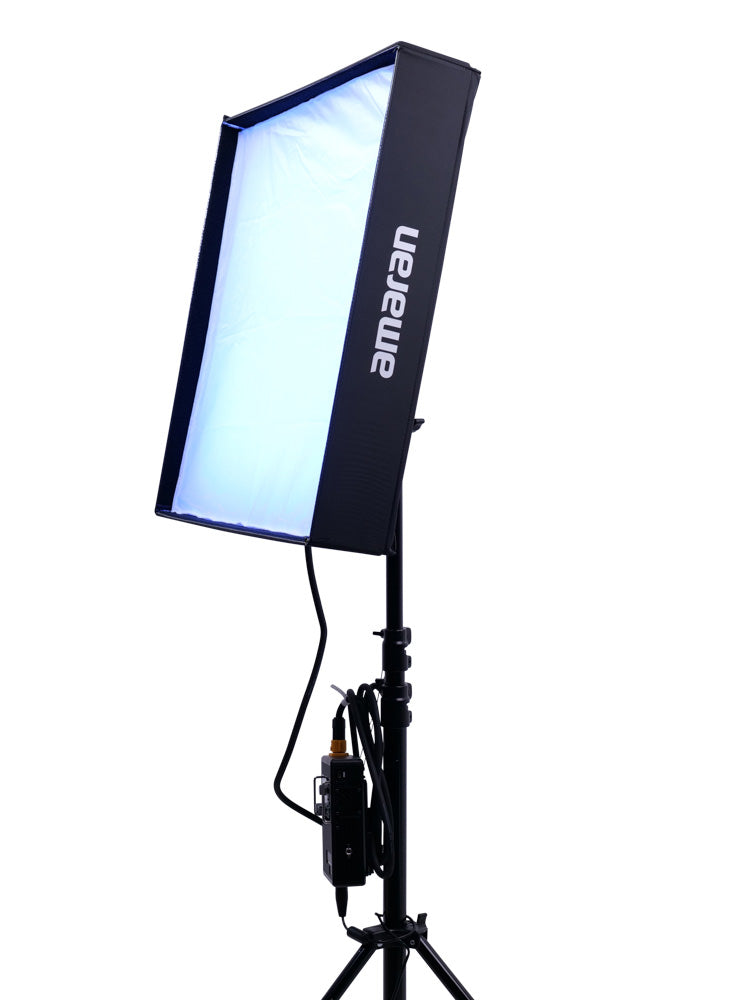
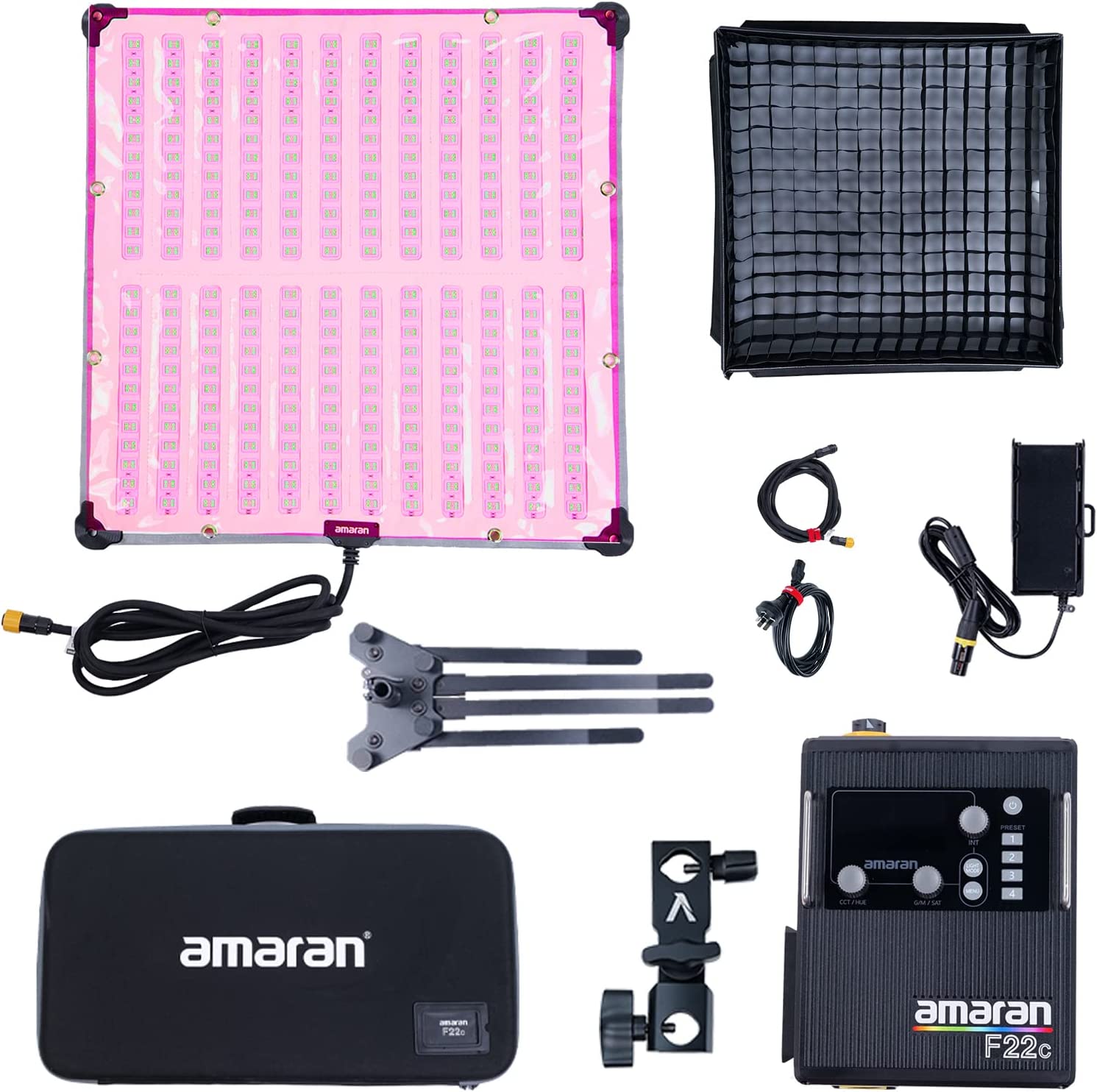
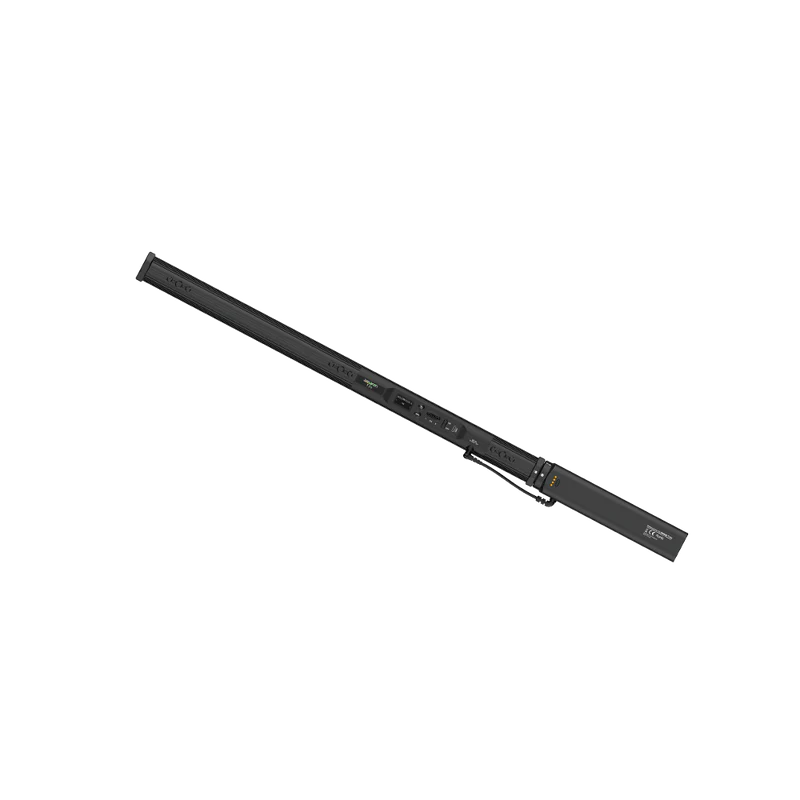
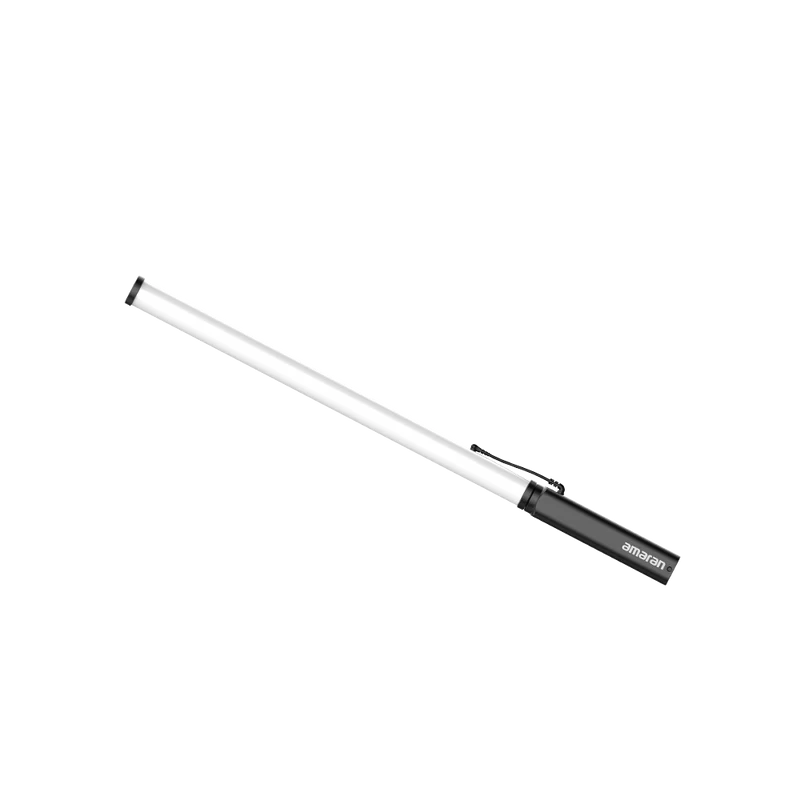
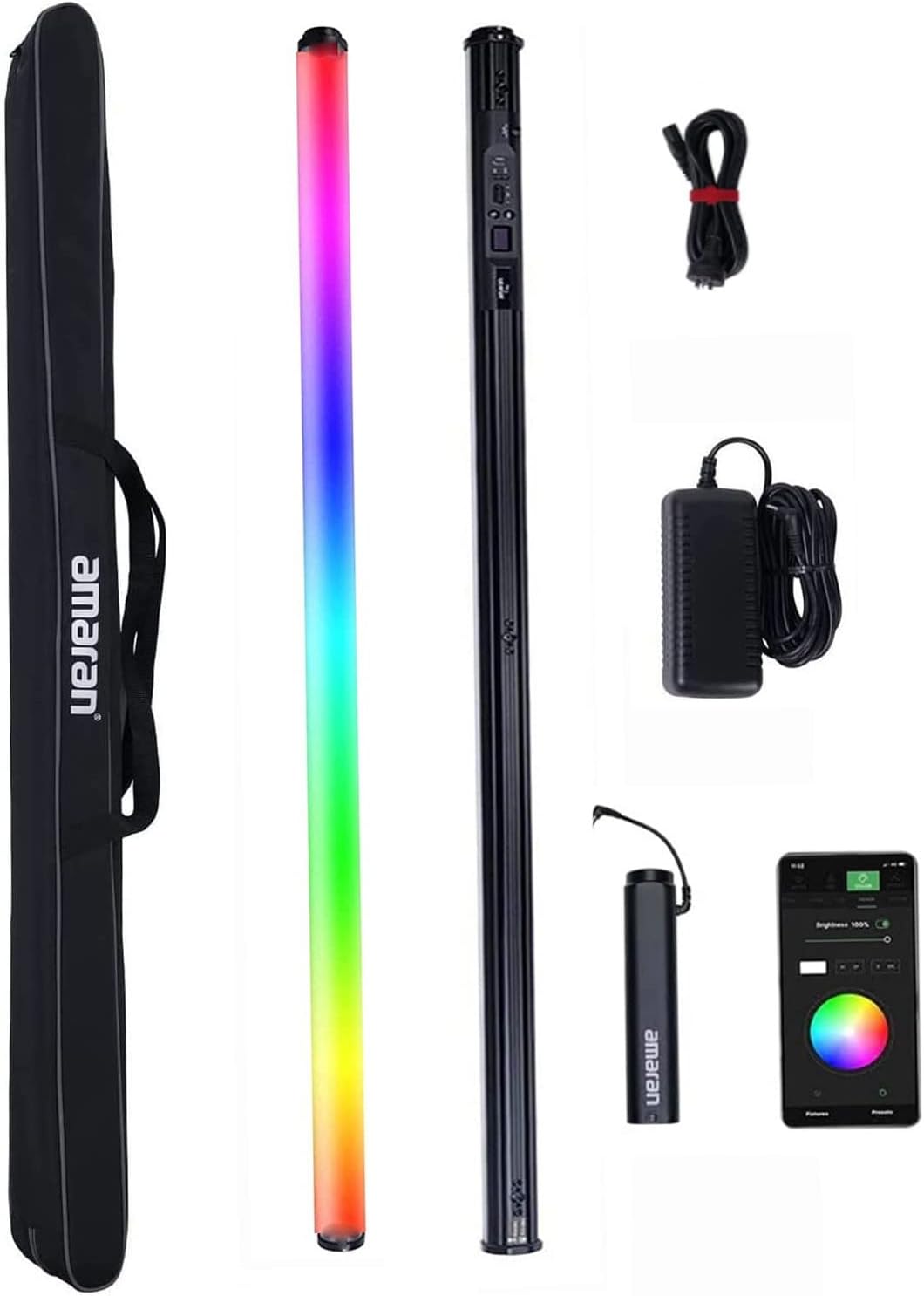
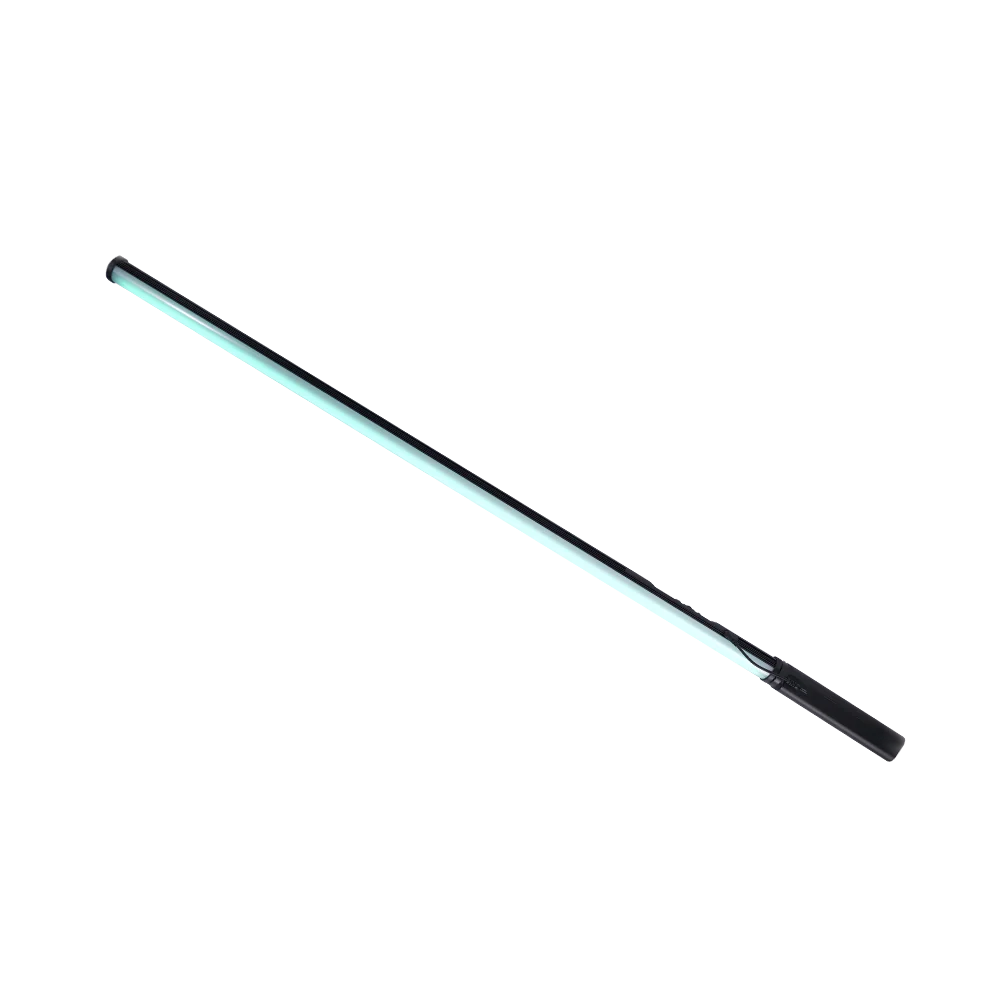
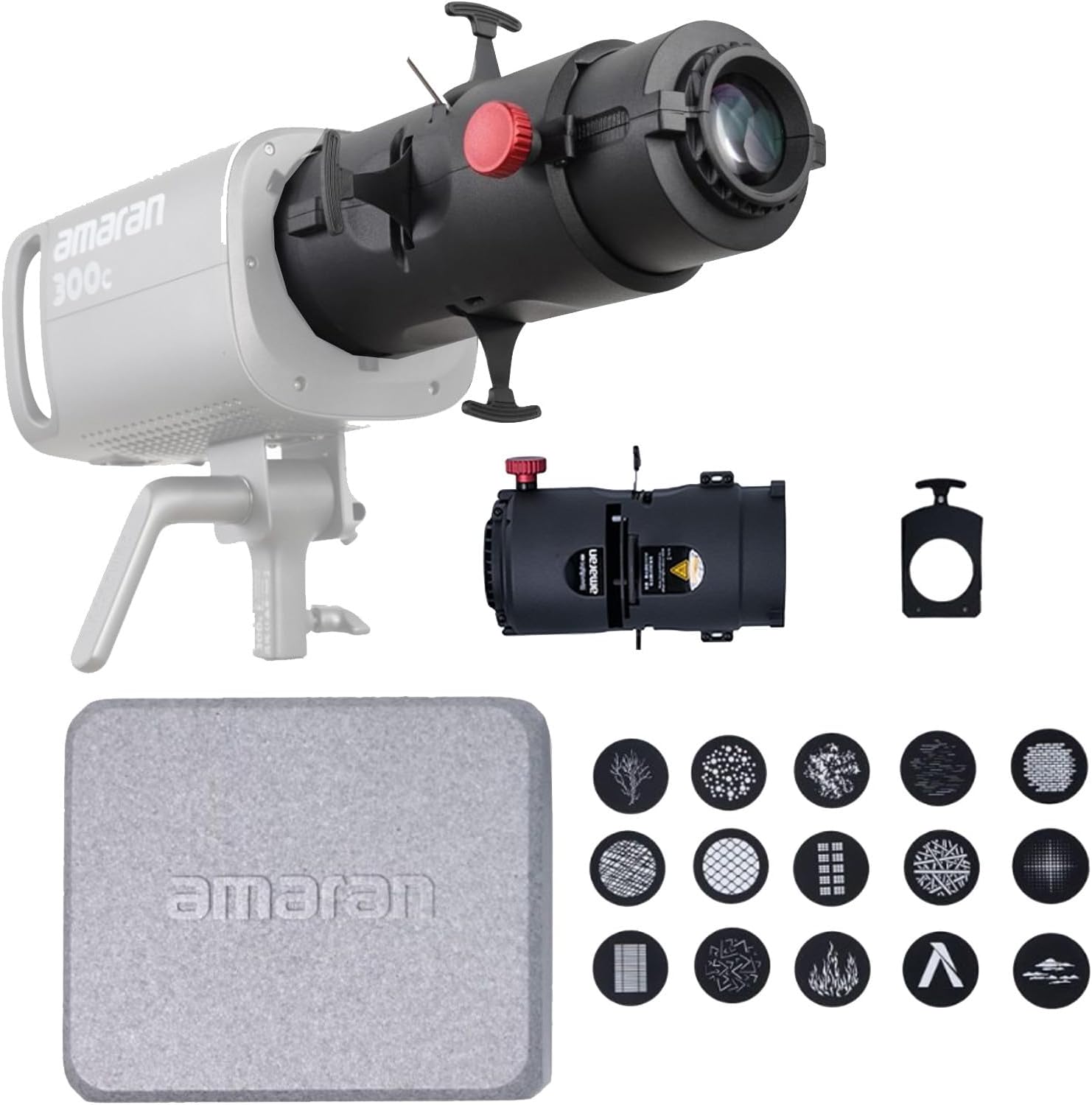
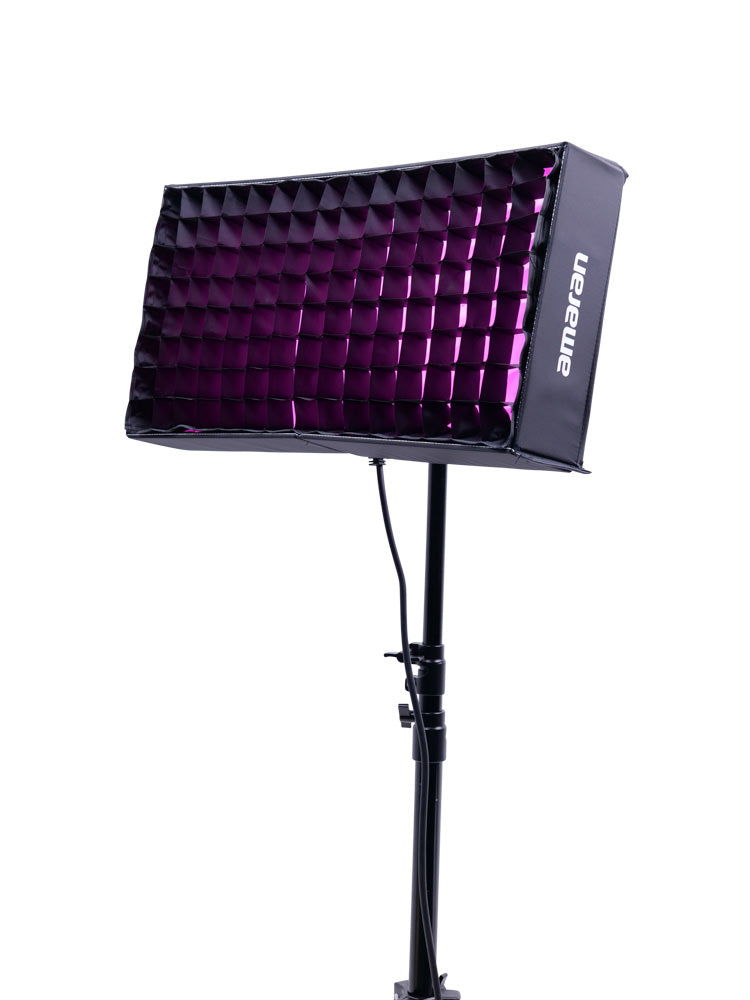
Amaran gear is often most useful when it is considered alongside related equipment such as LED lights, LED light panels, LED tube lights, softboxes, light stands, other lighting accessories, and broader Aputure lighting gear. For many smaller teams and creator setups, the value of Amaran comes from how easily it can fit into a practical, repeatable workflow without forcing the user into a larger or more complex system than they actually need.
In that sense, this collection is less about choosing a light in isolation and more about building a setup that fits smaller-scale production, studio shooting, and flexible everyday content work. Buyers comparing Amaran products should evaluate them based on how the gear will be used in real spaces, with real time constraints, and within the type of workflow they want to support.
Aputure Amaran FAQ
How do I choose the right Amaran light for my setup?
Start by identifying the role the light needs to play in your workflow. Some users need a dependable main light for regular shooting, while others need a smaller supporting fixture that adds flexibility without making the setup more complicated.
Is Amaran a good choice for smaller studios and creator workflows?
Yes, Amaran is often a strong fit for creators, smaller teams, home studios, and flexible production setups where portability, ease of use, and repeatable day-to-day lighting matter.
Should I start with an Amaran main light or a smaller supporting light?
That depends on the current setup. A main light is often the better starting point when there is no strong key source in place, while a supporting light can be more useful when the goal is to expand flexibility or fill a more specific role in the setup.