How to Choose the Right SmallRig Gear for Your Camera Setup

The best place to start is with the camera body and the role the accessory needs to play in the rig. Some users begin with a cage because they need a more secure base for mounting accessories, while others are focused on improving handling, adding monitor support, or solving a placement issue within an existing setup. In most cases, the right SmallRig product is the one that fits both the camera configuration and the actual production problem being solved.

It also helps to think in terms of expansion. A SmallRig accessory may be purchased for one immediate need, but it often becomes part of a larger rig over time. That is why compatibility, mounting logic, and how the part integrates with the rest of the setup are often more important than shopping by product name alone.

Should You Start with a Cage, Handle, or Mounting Accessory?

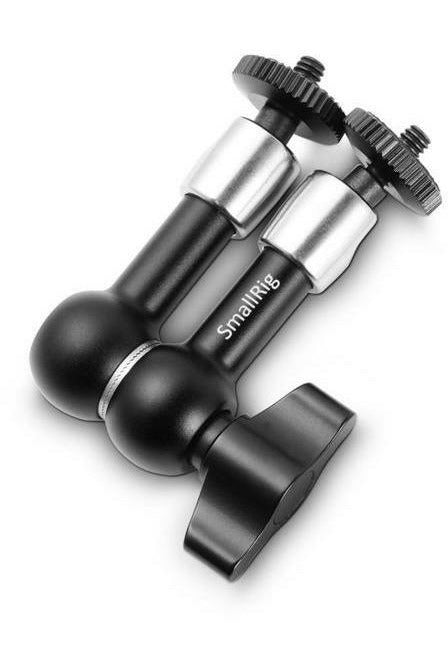
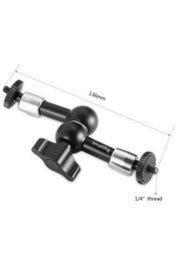
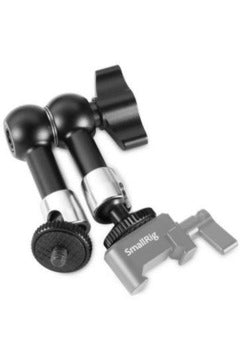
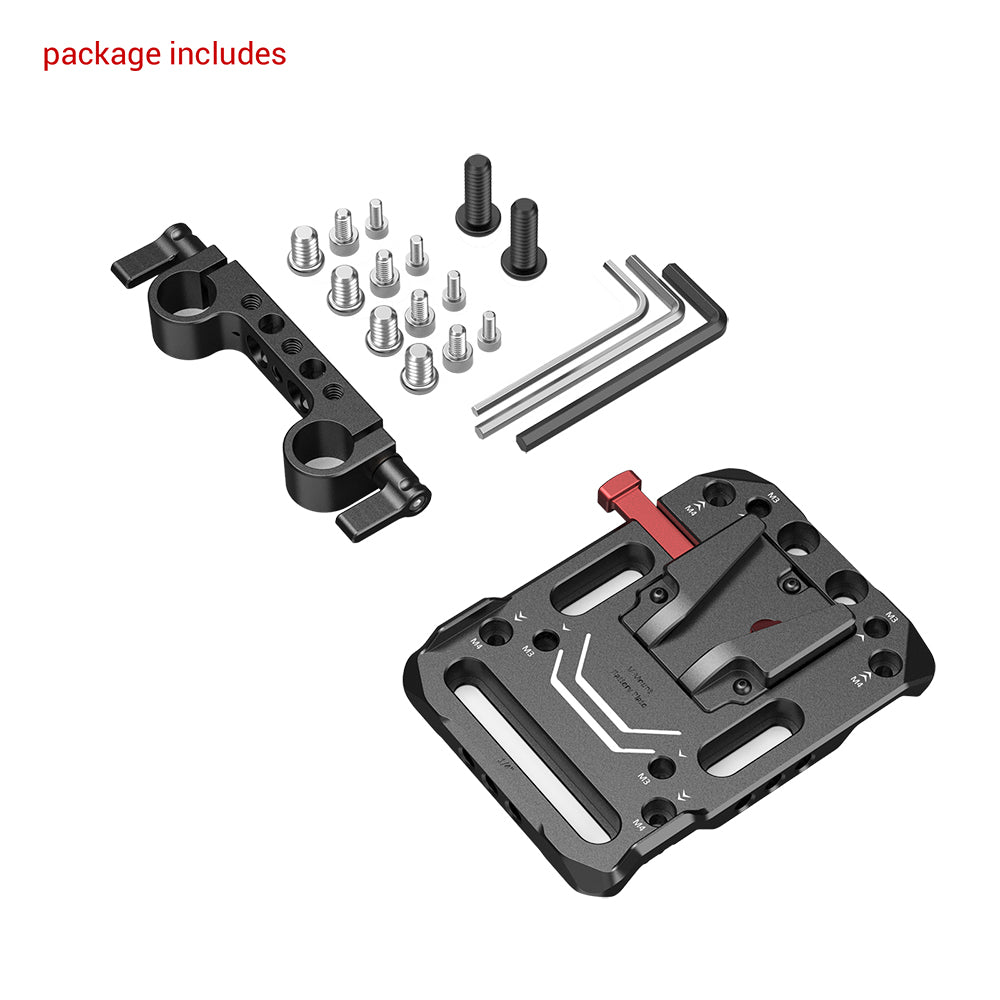
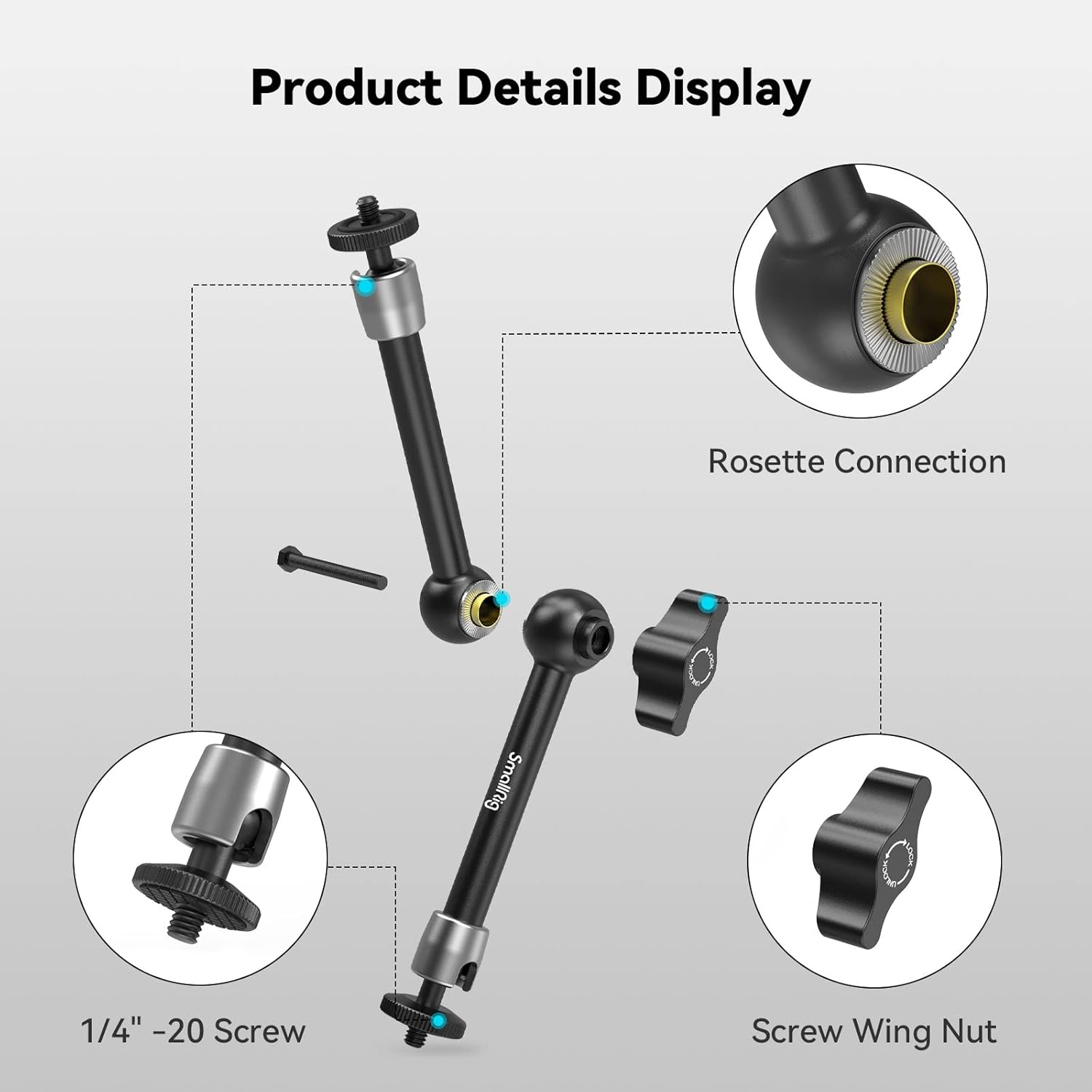
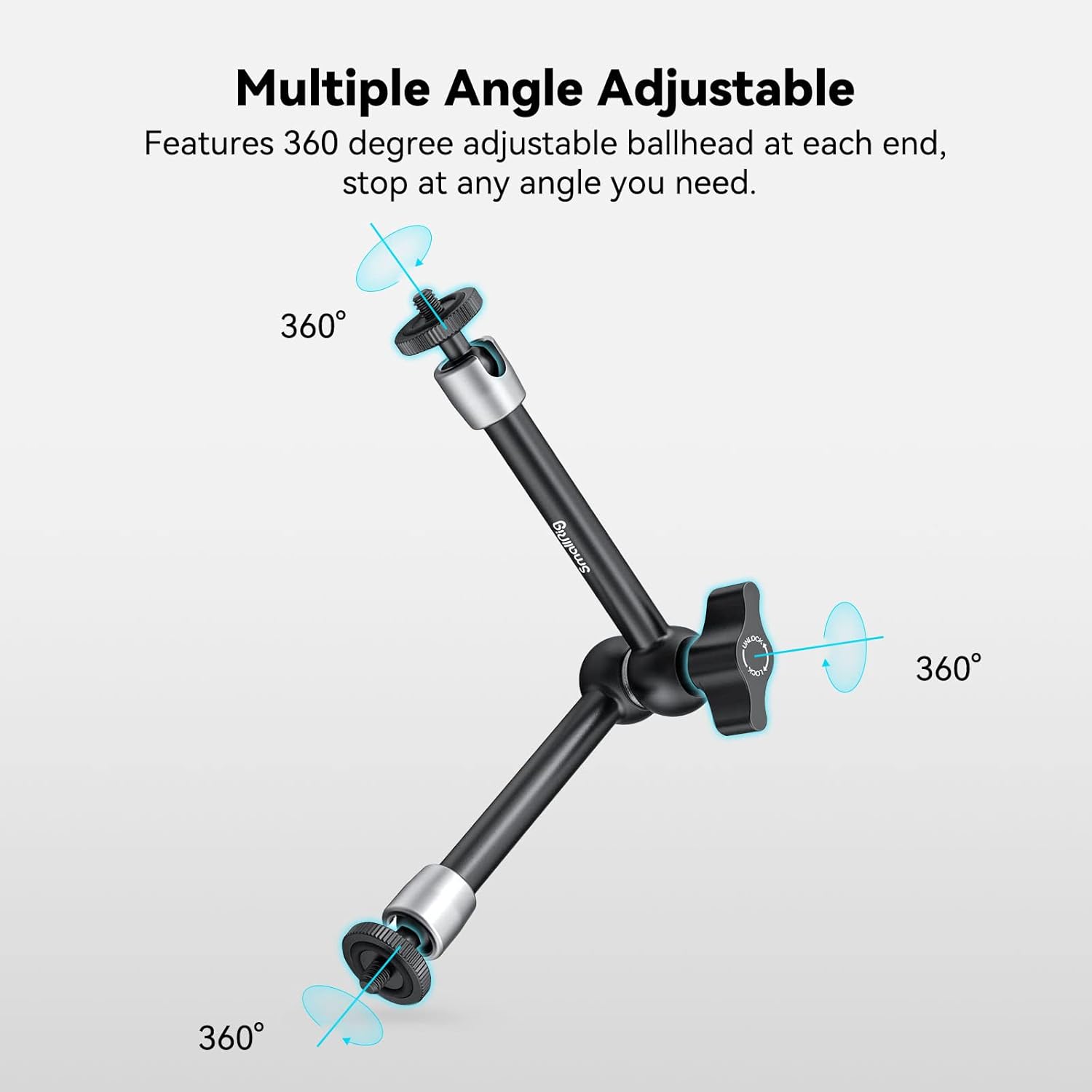
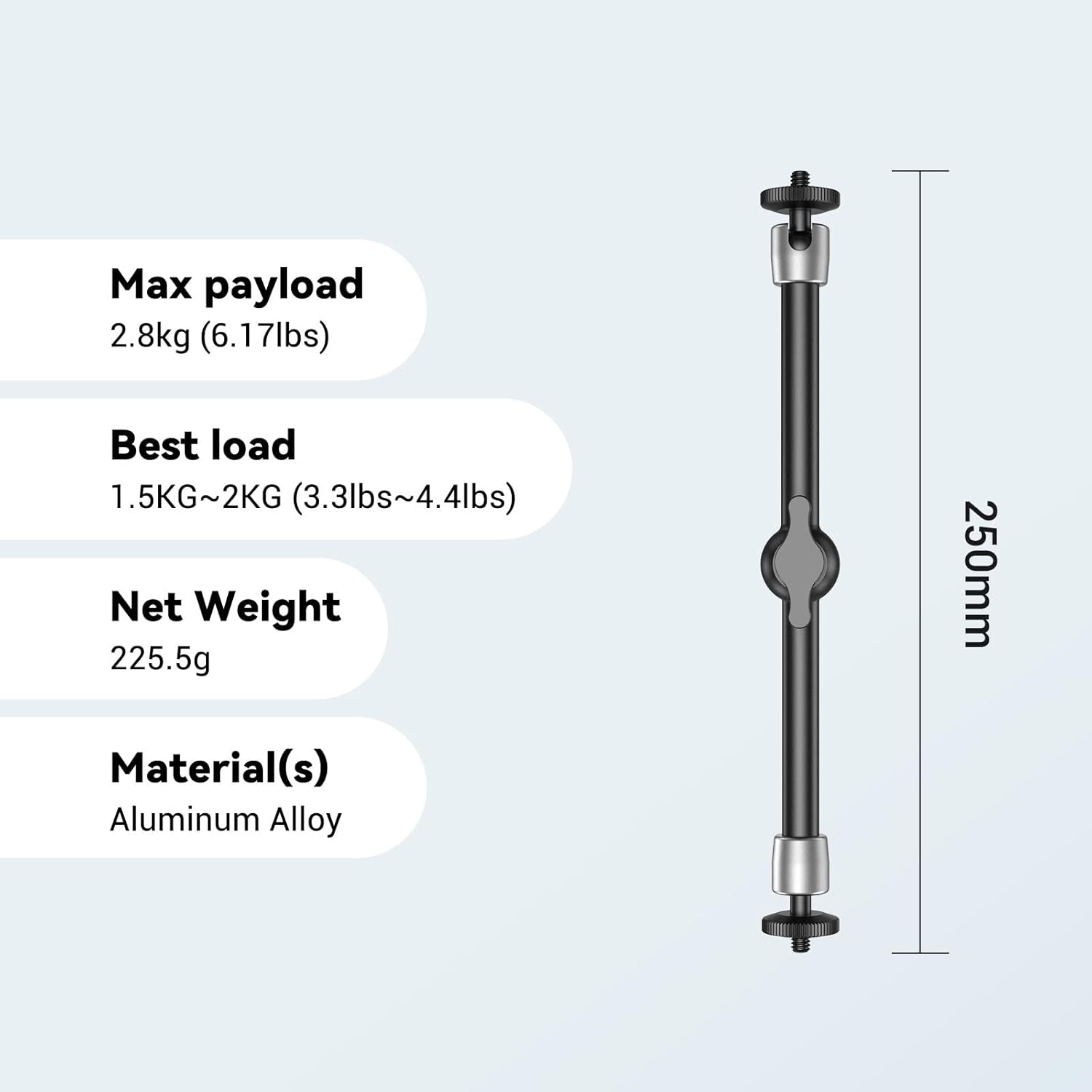
That depends on what is missing from the current setup. A cage is often the best starting point when the goal is to add protection, create more mounting options, and build a stronger foundation for future rig expansion. A handle may be the better choice when the priority is handheld operation, improved carrying, or more control during active shooting. A mounting accessory can make more sense when the issue is not the core rig itself, but where a monitor, microphone, light, or other supporting device needs to be positioned.

For many buyers, SmallRig is most useful because it allows the rig to evolve in stages. Instead of rebuilding the entire setup at once, users can add the parts that solve the most immediate production need and expand further as the workflow becomes more demanding.
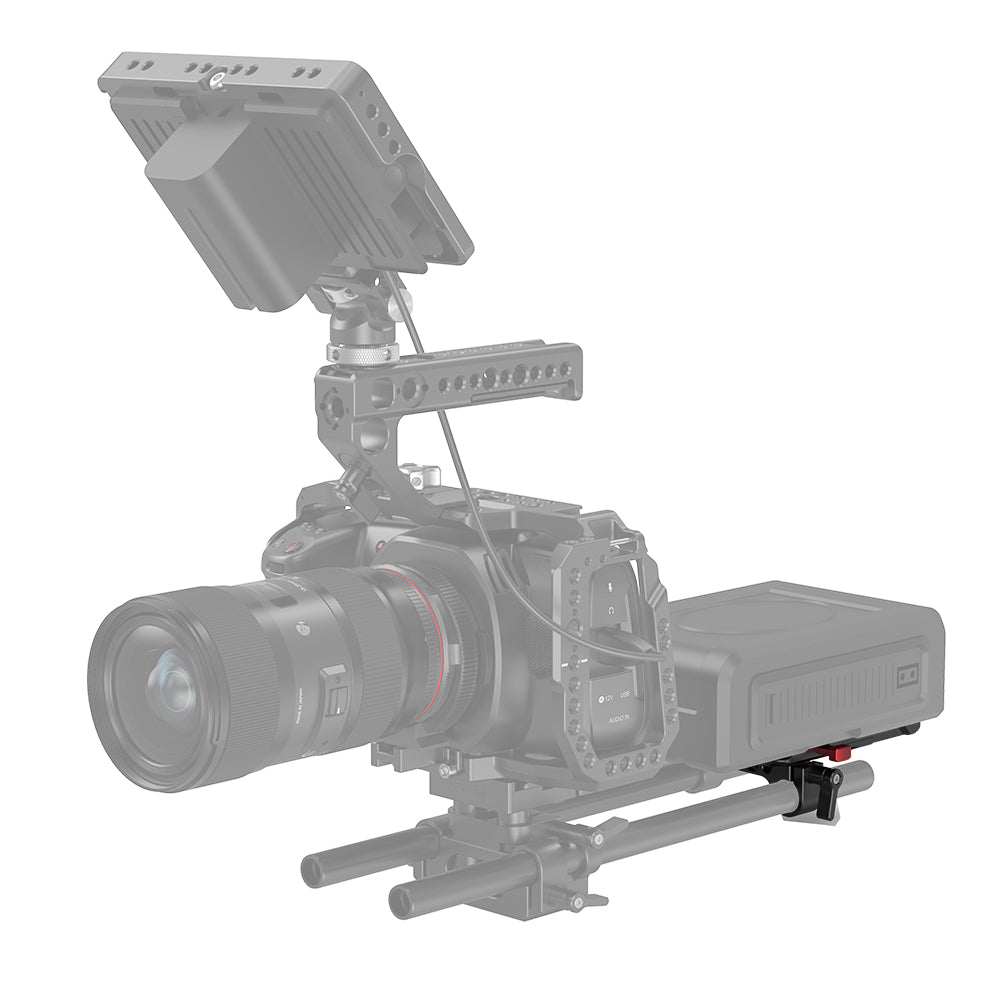
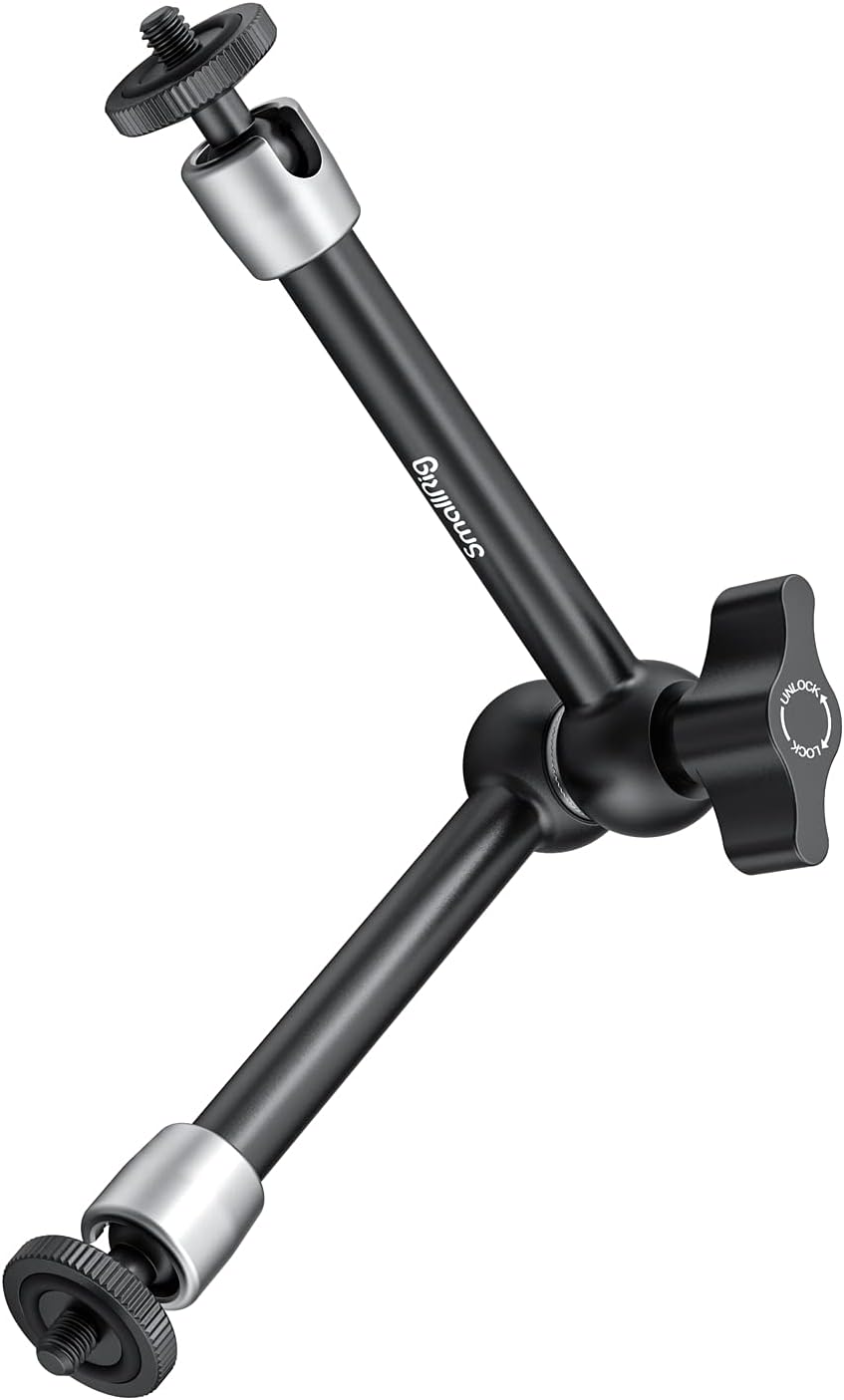
How SmallRig Fits Into a Broader Camera Rig Workflow

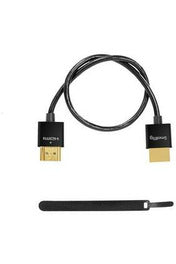
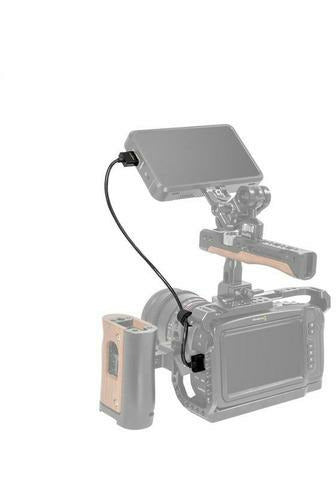
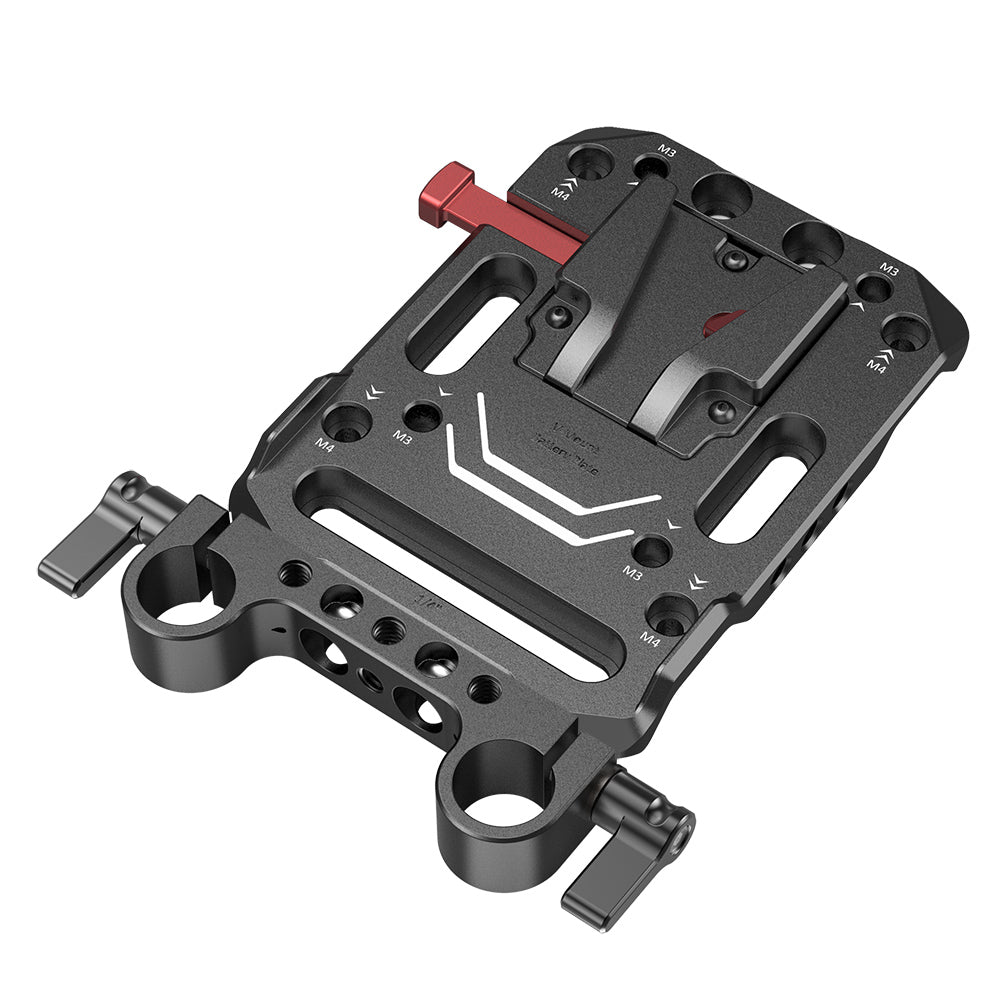
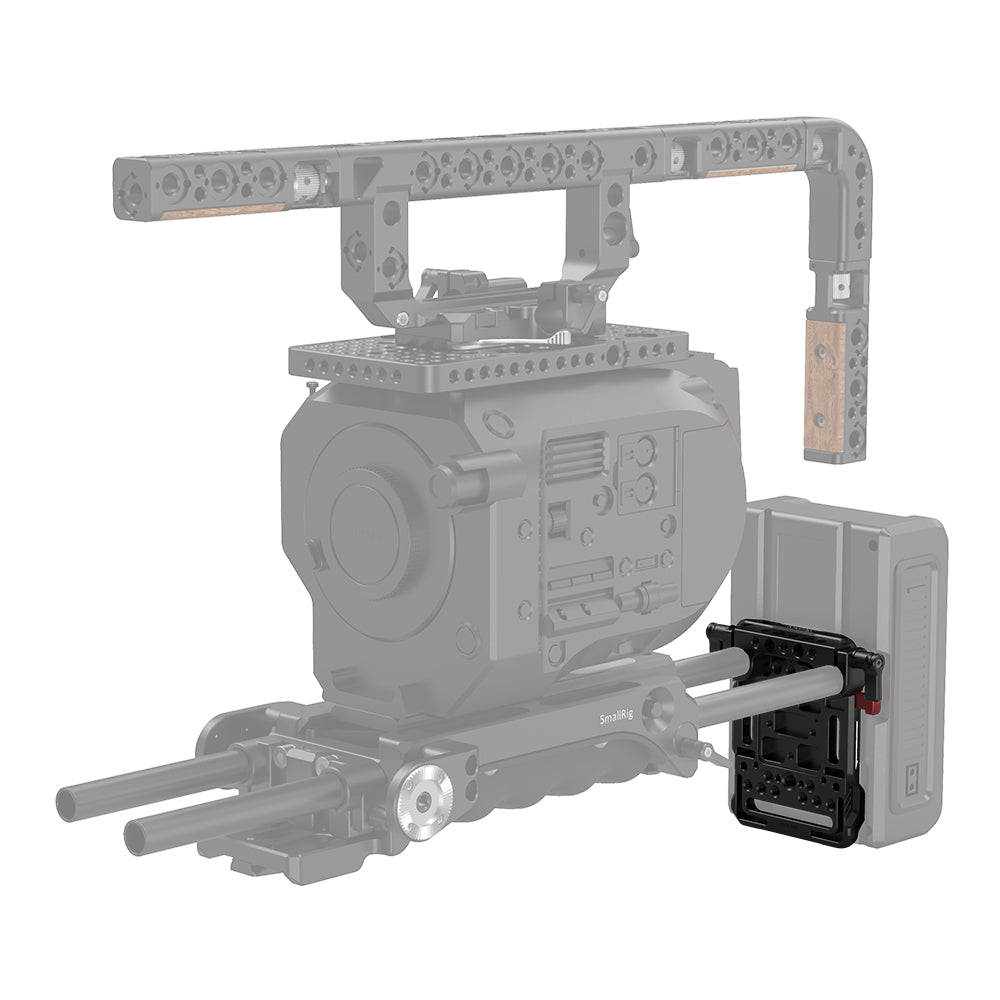
SmallRig gear is rarely purchased as a completely standalone item. It often works best when considered alongside related equipment such as camera cages, camera handles, camera monitors, follow focus systems, matte boxes, quick release systems, and other camera support gear. For many filmmakers, the value of SmallRig comes from how easily it helps connect and organize the pieces of a working production setup.

In that sense, this collection is less about buying a single accessory and more about building a rig that works better in real production conditions. Buyers comparing SmallRig products should evaluate them based on the camera setup they already have, the accessories they plan to add next, and the kind of workflow they want the final rig to support.

SmallRig FAQ

How do I choose the right SmallRig gear for my camera?

Start by identifying your camera model and the specific problem you want to solve in the rig. Some users need a cage for mounting and expansion, while others need a handle, bracket, or support accessory that improves how the setup works in production.

Should I start with a SmallRig cage or other accessories first?

That depends on the current setup. A cage is often the right starting point when the camera needs a stronger base for mounting and rig expansion, while other accessories may make more sense if the main need is better handheld control, monitor positioning, or accessory support.

Is SmallRig useful for building a full camera rig?

Yes, many filmmakers and production teams use SmallRig gear as part of a broader camera rig workflow. The brand is often chosen because it helps users build more flexible setups over time rather than relying on a single accessory to do everything.