Cine Lenses
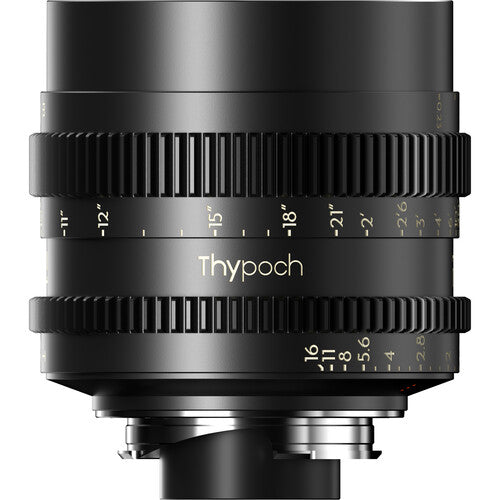
Cinema lenses from DZOFILM, SIRUI, Laowa, Thypoch, Tokina — PL/EF/E mount in stock in Vancouver. No duty, full Canadian warranty, free shipping over $199.
About cinema lenses & buying guide
Cine lenses are built for filmmakers, owner-operators, and production teams who need more than simple image capture. In real shooting environments, lens choice affects not only the look of the image, but also how smoothly the camera package works on set. This collection is designed for buyers comparing cinema lenses for commercial production, narrative work, branded content, documentary shooting, and other video workflows where repeatability, control, and system consistency matter.
For many buyers, the most important decision is not simply which focal length to buy first, but how the lens will fit into the rest of the production setup. Some users may be looking for a single cine lens to expand an existing kit, while others may need a more complete lens path built around matched mechanics, consistent housing, or a broader prime or zoom strategy. That makes this category less about browsing individual products in isolation and more about understanding how each lens choice supports the work you actually do.
When evaluating cine lenses, it helps to compare them through practical production needs: whether you need consistent handling across multiple focal lengths, whether the project calls for prime or zoom flexibility, and whether the lens will be used in solo shooting, client work, studio production, or a more structured crew environment. This page is built to help buyers sort through those decisions more clearly and find lens options that make sense for the way they shoot.
Pancro Professional Lens Cleaner (4 oz)
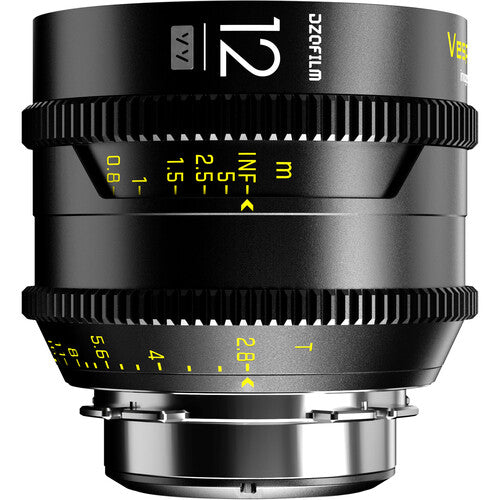
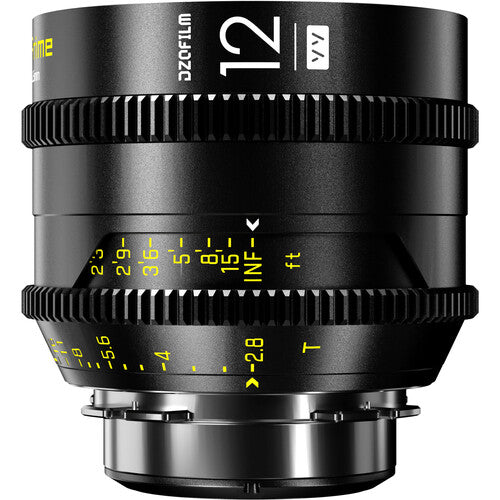
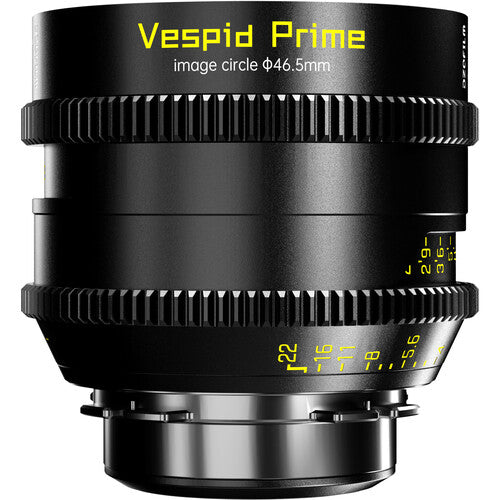
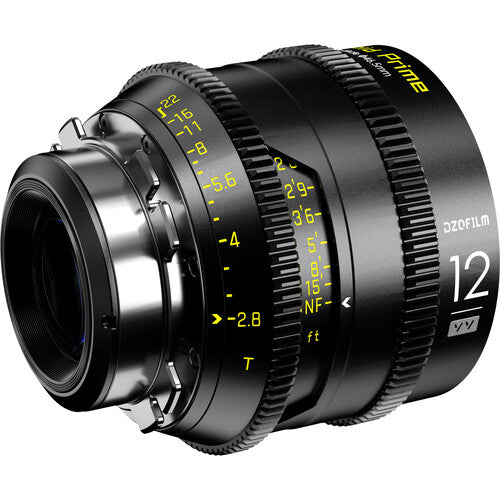
DZOFilm VESPID Full Frame Cine Prime 12mm T2.8 Lens (PL/EF)
DZOFilm X-Tract 18-28mm T8 FF Probe Zoom Lens (0° Direct View, ARRI PL)
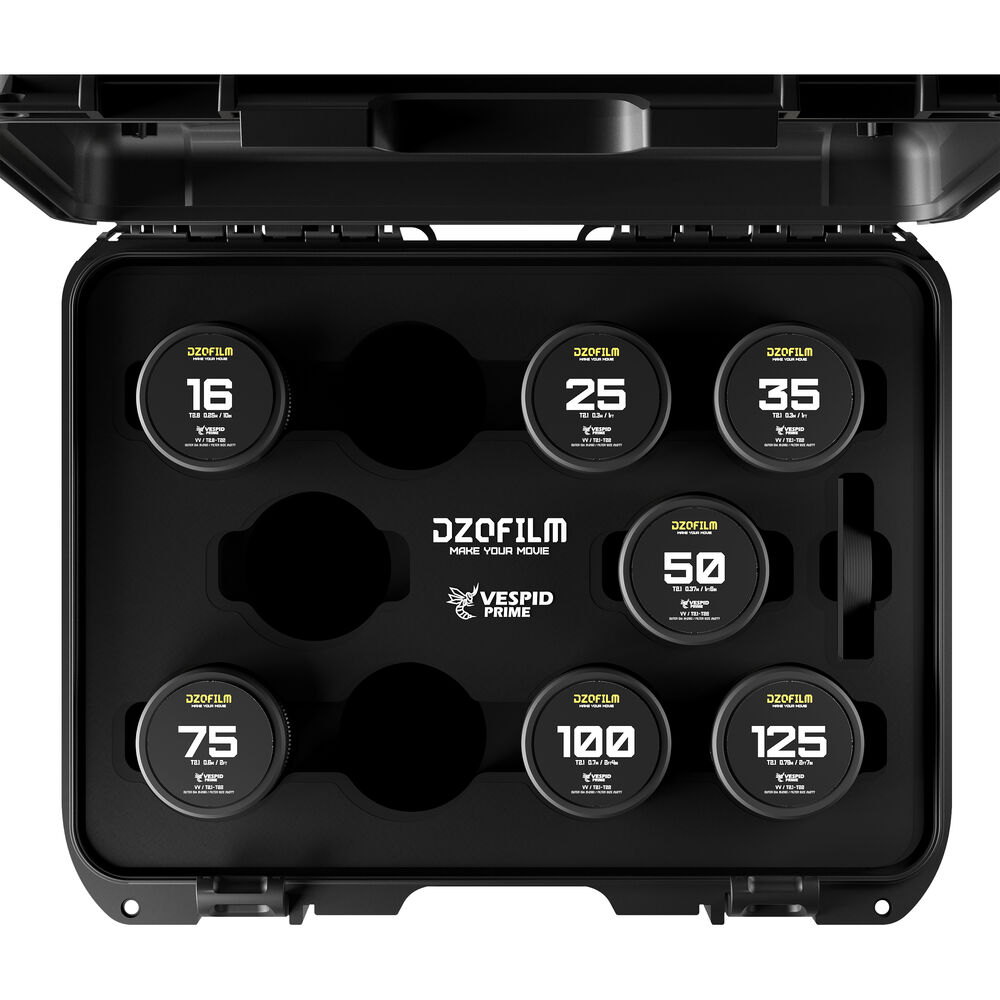
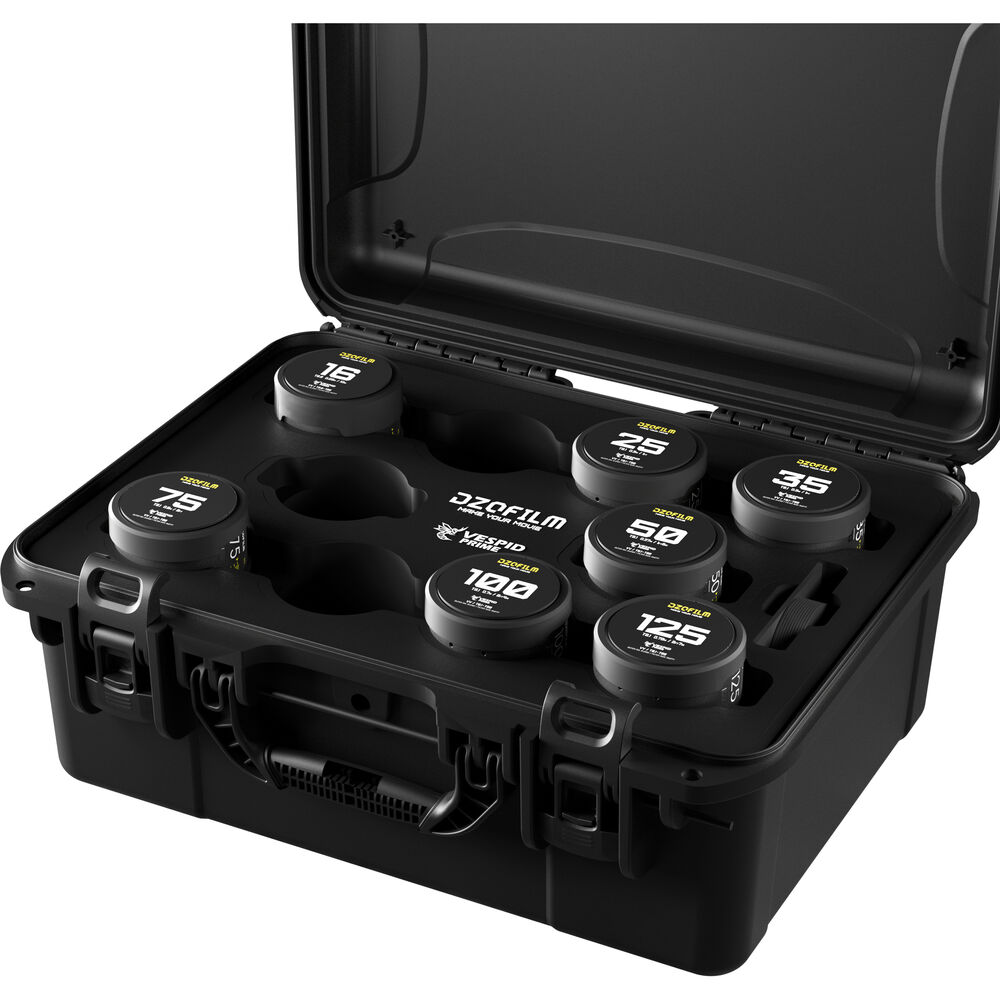
DZOFilm VESPID Prime 7-Lens Kit V2 16/25/35/50/75/100/125mm (PL/EF)
What to Look for When Buying Cine Lenses
Buying cine lenses is usually less about chasing a single specification and more about choosing a lens system that fits how you shoot. For some filmmakers, consistent mechanics across a set matter because they want smoother lens changes and fewer rig adjustments on set. Others may care more about mount compatibility, focal length coverage, or whether the lens will be used in a solo operator workflow versus a more structured production environment. The most useful comparison points are often the ones that affect day-to-day shooting, not just the ones that look good on a spec sheet.
It also helps to think about handling, consistency, and expansion. If a lens is part of a growing kit, buyers may want to consider how well it fits with future focal lengths, whether lens operation stays predictable across the set, and how easily the lens integrates with the rest of the camera build. Those details often matter more in production than isolated feature claims.
Should You Buy a Single Cine Lens or a Full Lens Set?
The answer depends on what kind of work you do and how often you need a repeatable camera setup. A single cine lens can make sense for owner-operators, smaller crews, or buyers who want to solve a specific shooting need before expanding further. This approach is often practical when the goal is to add a particular focal length or improve manual lens control without committing to a full set right away.
A full lens set may make more sense for production teams, commercial shooters, or filmmakers building a more standardized kit. In those cases, matching lens behavior across focal lengths can help keep rigging, focus workflows, and on-set operation more consistent. For buyers comparing options in this category, the real question is not just budget, but whether the work demands one dependable lens or a more unified lens system.
How Cine Lenses Fit Into a Production Camera Setup
Cine lenses are rarely a standalone buying decision. They affect how the camera body is built out, how focus is pulled, how accessories are positioned, and how efficiently the setup can be used across different shooting days. That is why many buyers evaluate cine lenses alongside related gear such as cinema cameras, follow focus systems, matte boxes, camera monitors, and lens accessories.
For some users, the right lens choice is the one that integrates cleanly into an existing rig. For others, it is the lens that supports a better long-term system for narrative work, client projects, or commercial production. This collection is meant to help users compare cine lenses with that broader production context in mind, rather than treating lens selection as a one-spec comparison.

Cine Lenses FAQ
What is the difference between cine lenses and photo lenses?
Cine lenses are typically chosen for filmmaking and video production workflows that require more controlled manual operation, more consistent handling, and better integration with professional camera support gear. While photo lenses may work well for certain setups, cine lenses are often preferred when repeatability and on-set workflow matter more.
Should I buy a single cine lens or a full lens set?
That depends on the type of work you do and how complete your current camera kit already is. A single cine lens may be the right starting point for owner-operators or smaller productions, while a full lens set may be more useful for teams that need more consistent focal length coverage and a more unified production setup.
What should I look for when choosing cine lenses?
Start by thinking about how the lens will be used in production. Buyers often compare cine lenses based on focal length needs, mount compatibility, manual handling, consistency across a set, and how well the lens fits into the rest of the camera workflow. The best choice is usually the one that supports the way you actually shoot, not just the one with the longest feature list.