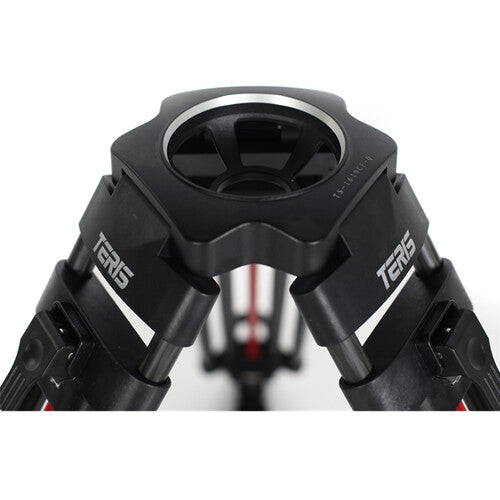
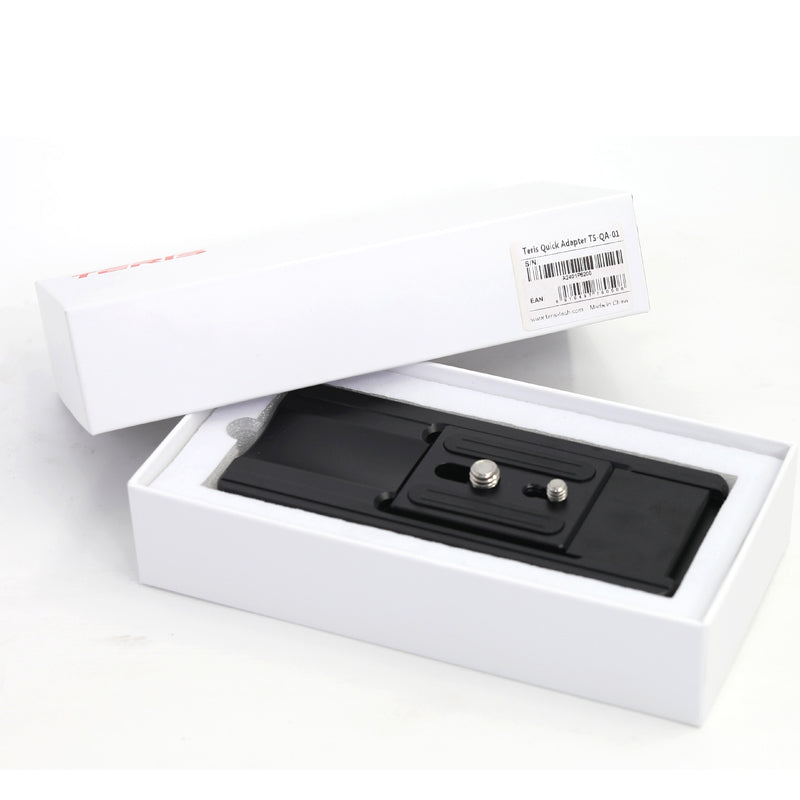
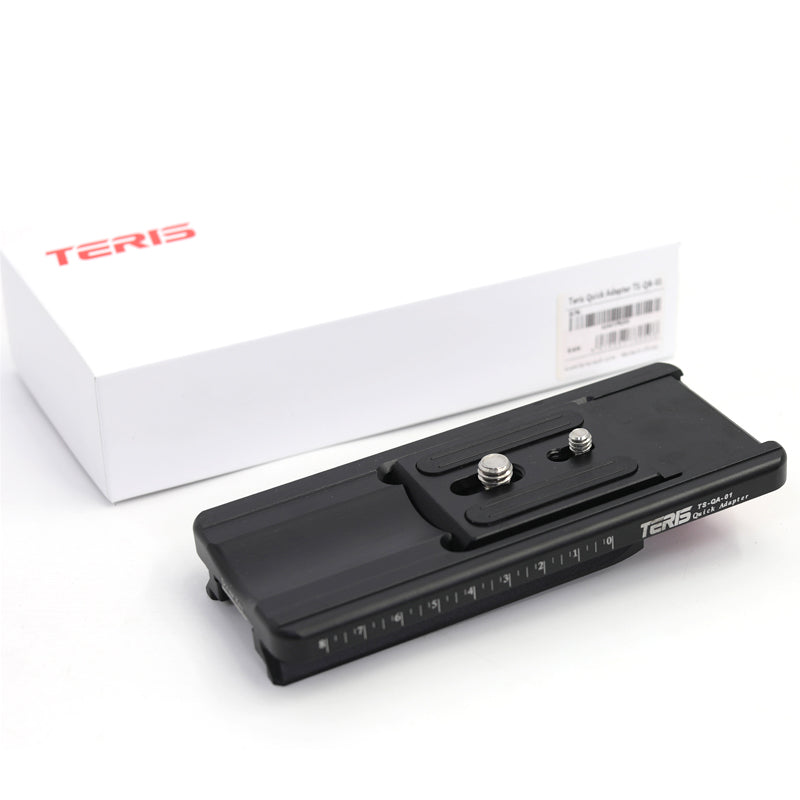
Tripods
Tripods are a core part of camera support for filmmakers, photographers, content creators, studio teams, and location crews that need more than basic stability from their setup. In real production use, choosing the right tripod is not only about keeping the camera steady. It also involves how the system supports the weight of the camera and lens, how easily it can be deployed, what kind of movement the setup needs, and whether the tripod fits the way the shoot is actually run.
For many buyers, the decision starts with the kind of camera setup and shooting style involved. Some need a lightweight option that is easier to carry between locations and faster to deploy in smaller productions. Others need a more stable video-focused support system for interviews, studio shooting, controlled camera movement, or heavier rigs. In practice, tripod selection usually comes down to payload, working height, head compatibility, portability, stability expectations, and how the setup will perform across different types of shoots.
Whether the goal is building a more dependable support kit, improving video workflow, or matching support gear to a specific camera configuration, the right tripod should be chosen based on how it will be used in production rather than as a generic accessory. This collection is designed to help buyers compare tripod options with that real-world decision-making process in mind.

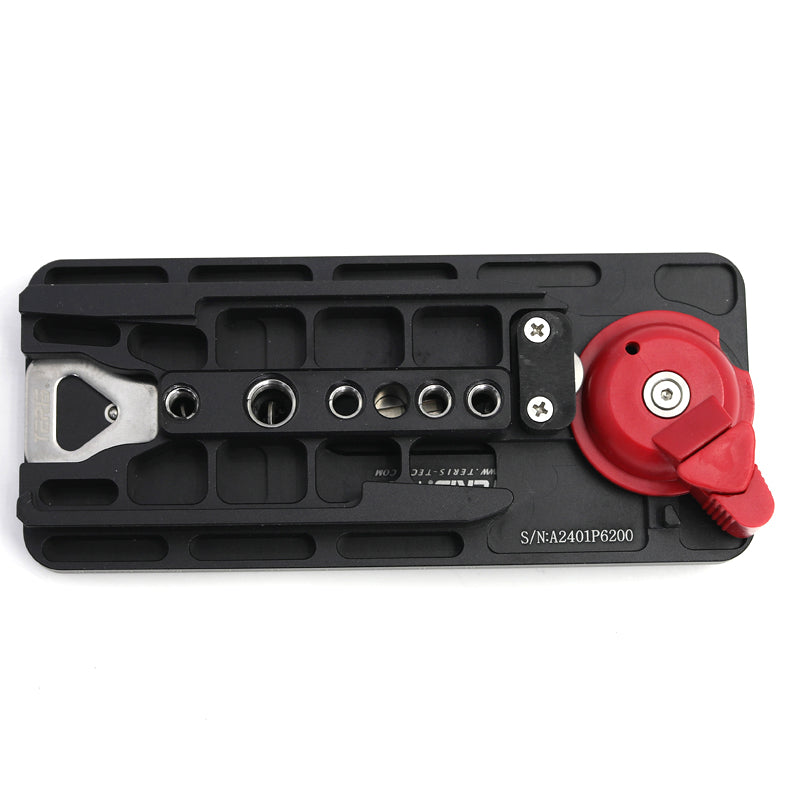
Teris Universal Fast Tie Down Tripod Adapter
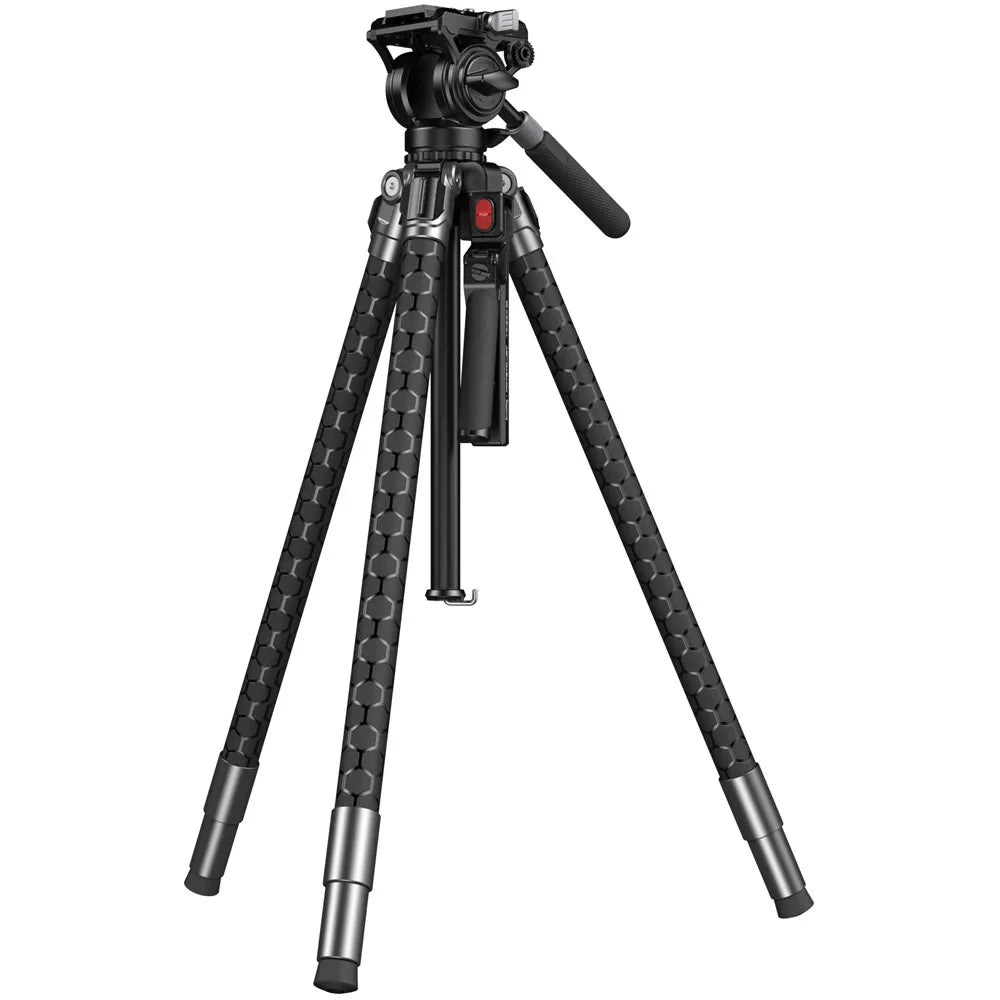
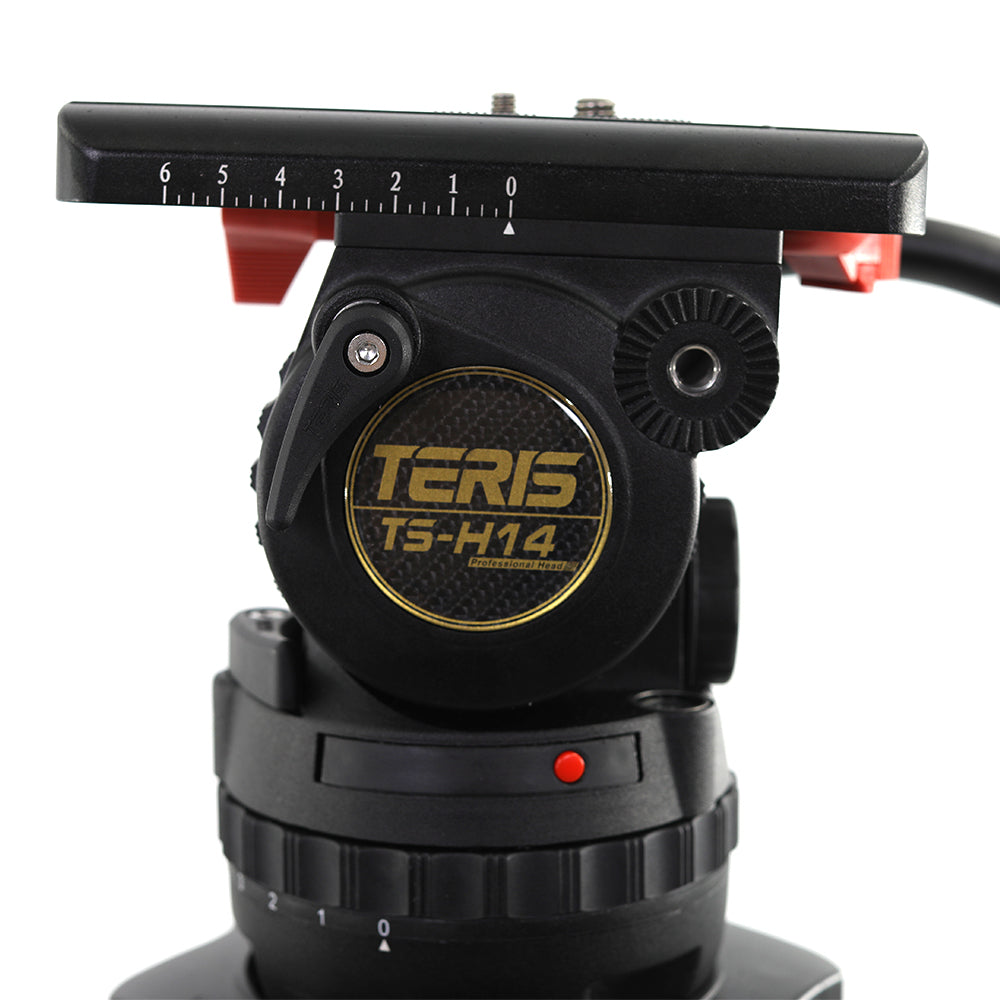
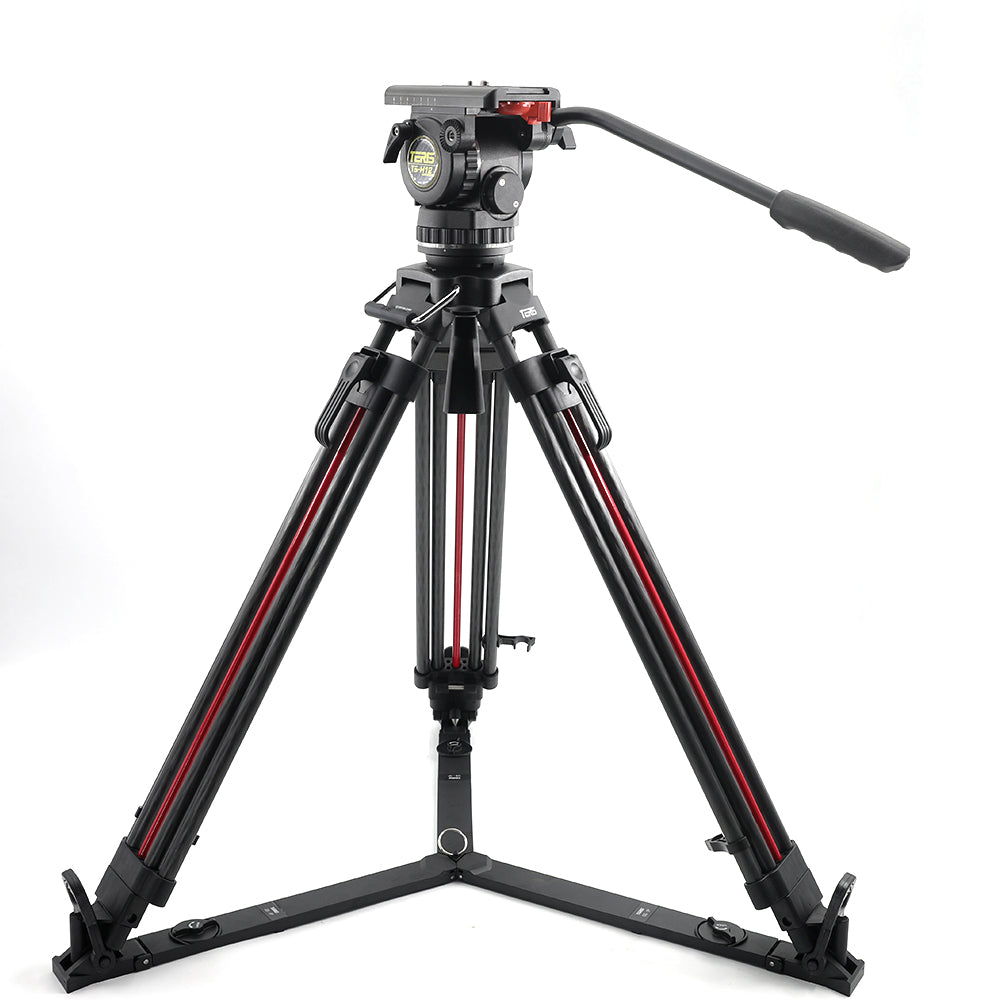
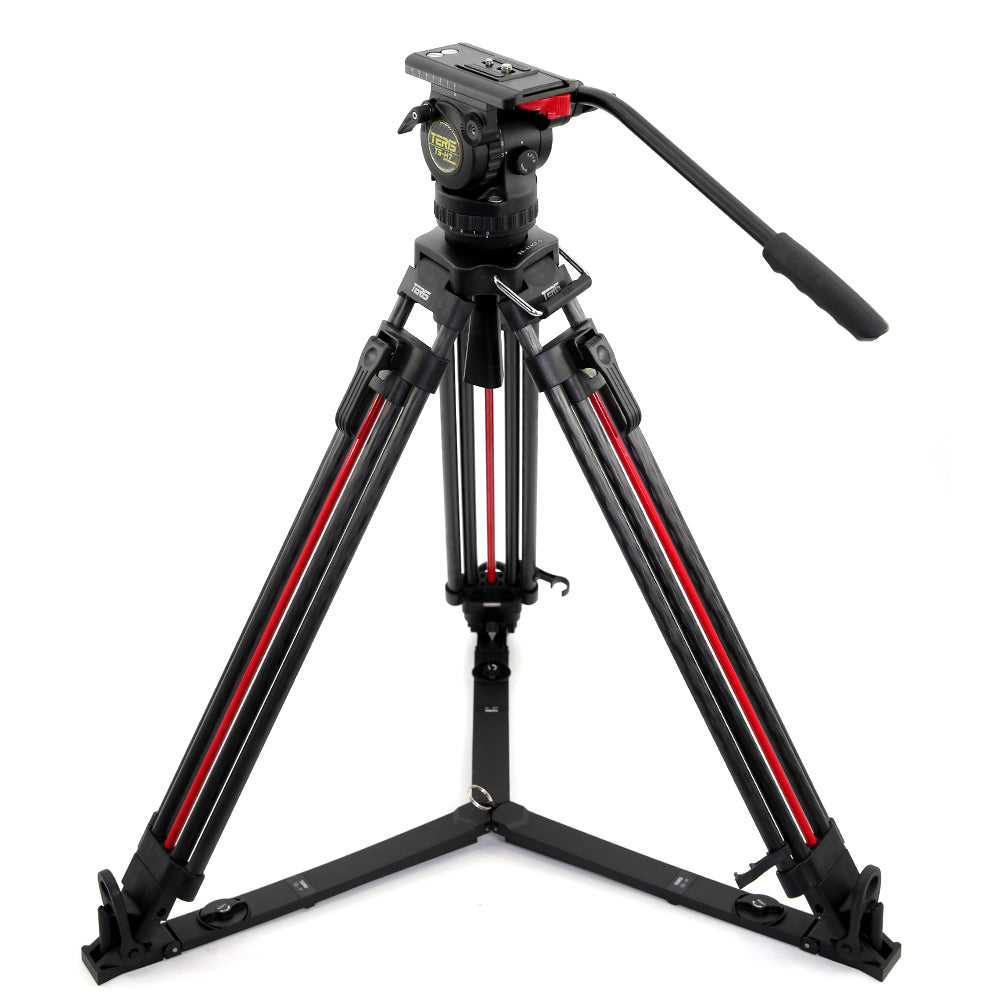
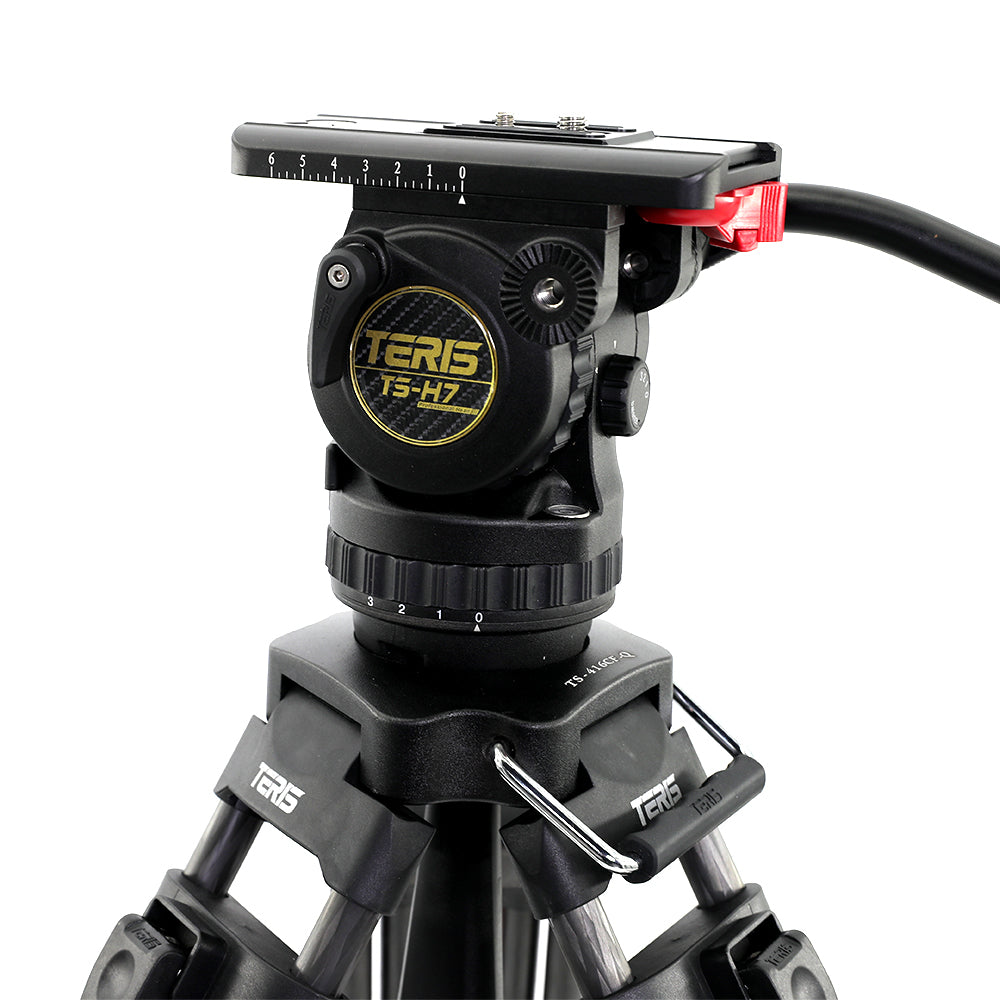
Teris TS-H14CF-Q Fluid Head Tripod System 100mm 14KG/31lb payload
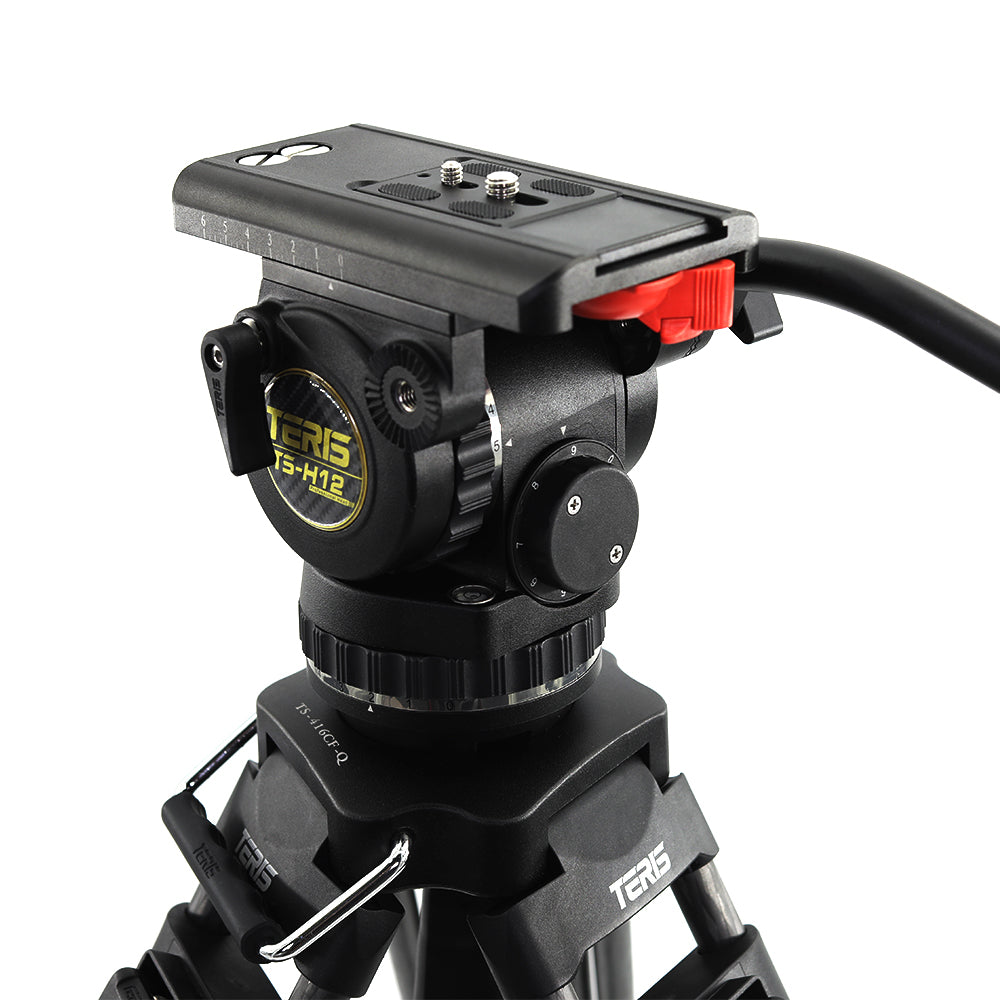
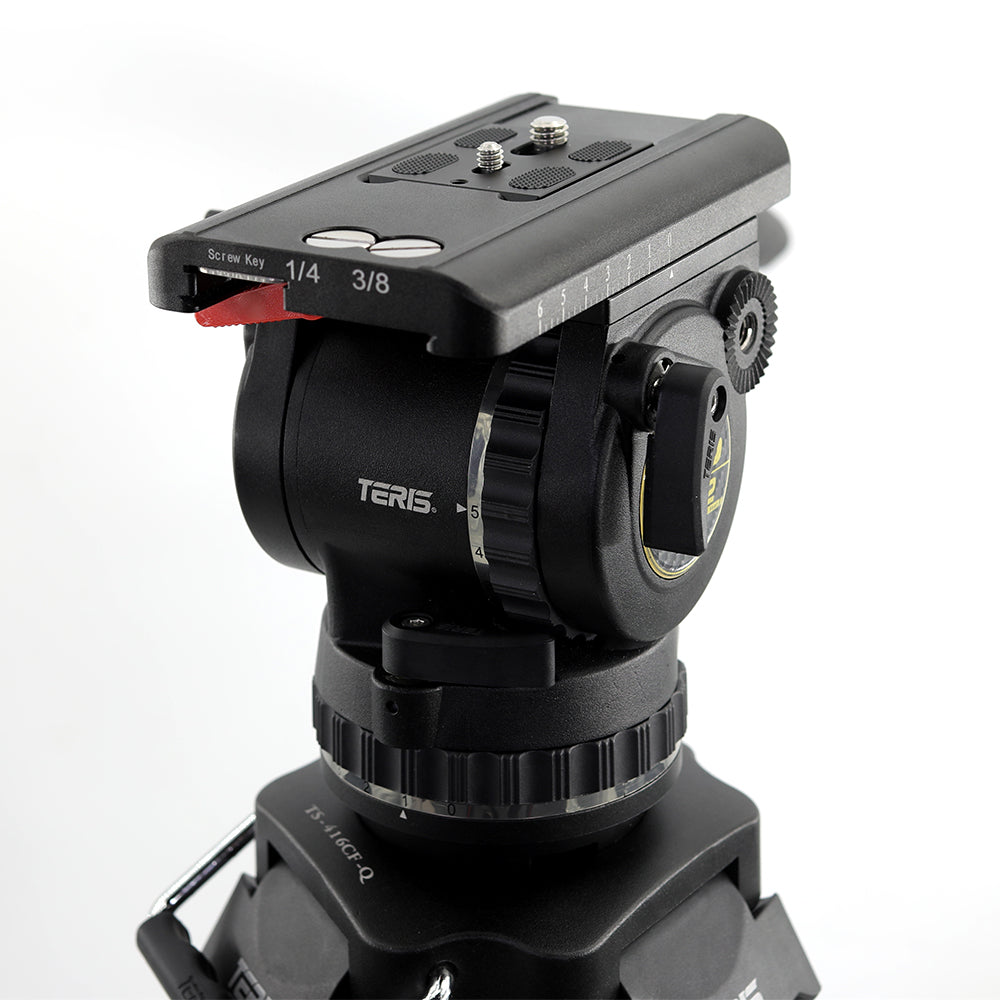
Teris TS-H12CF-Q Fluid Head Tripod System 75mm 12KG/26.5lb payload
Teris TS-H7CF-Q Fluid Head Tripod System 75mm 7KG/15.5lb payload
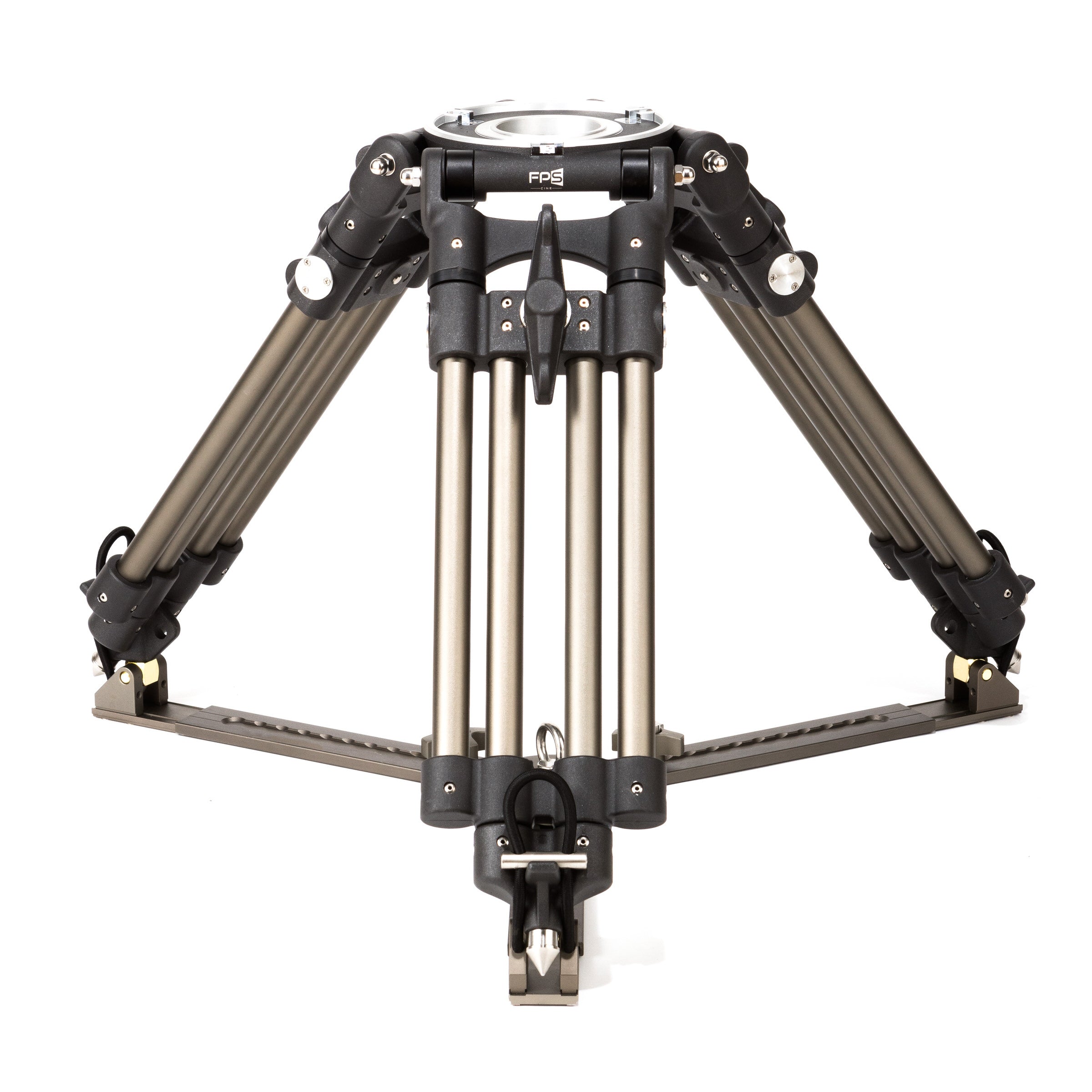
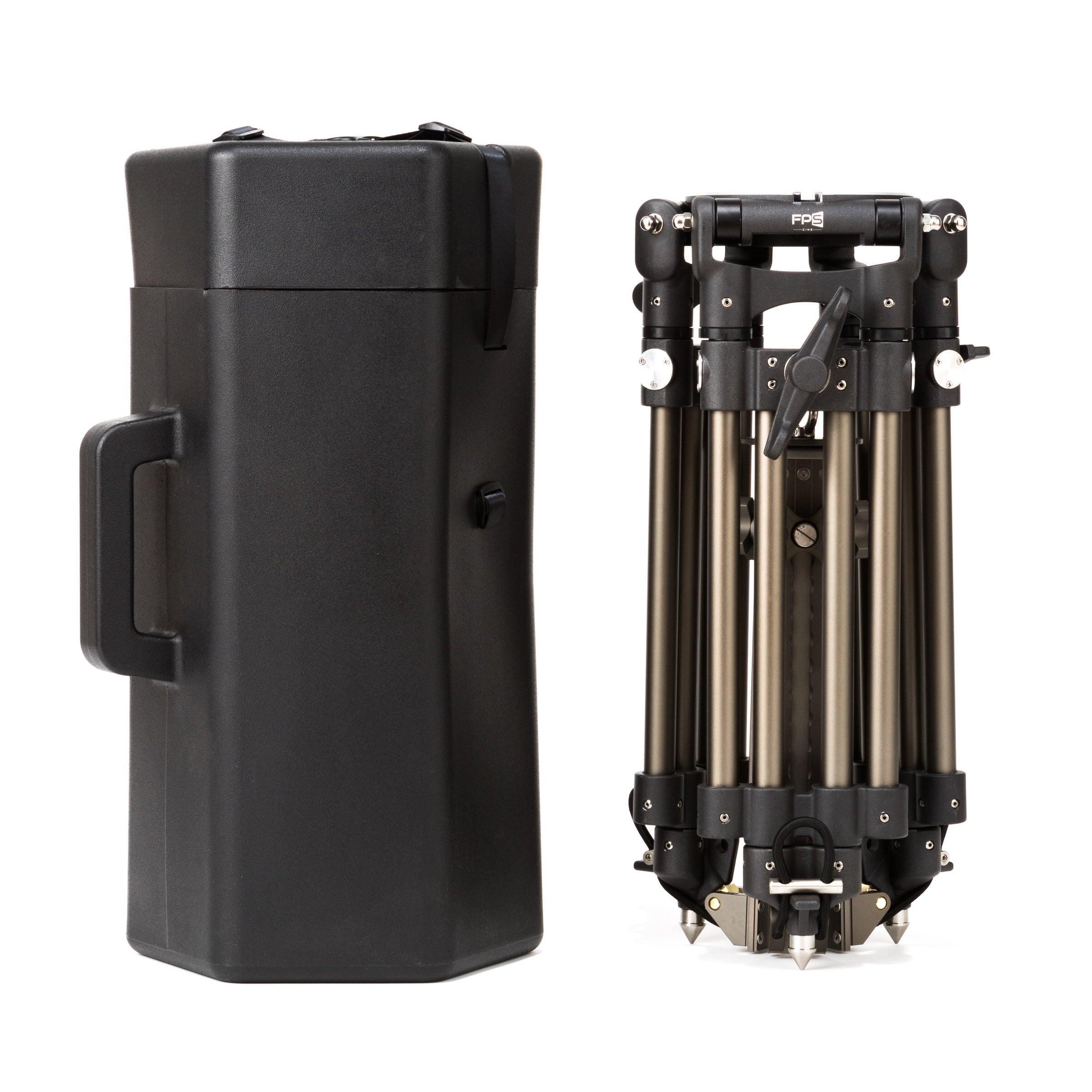
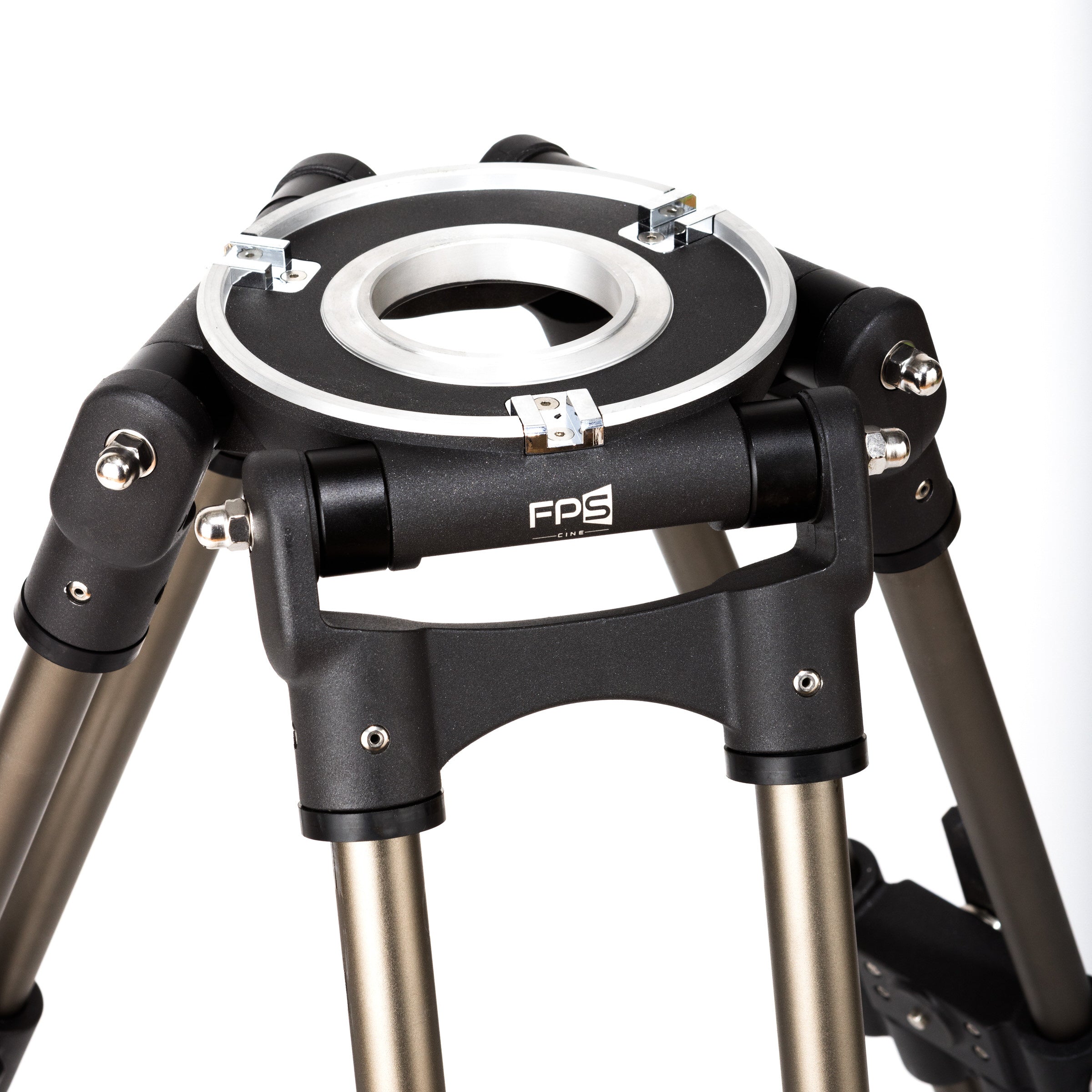
FPS Heavy-Duty Hi-hat (Mitchell)
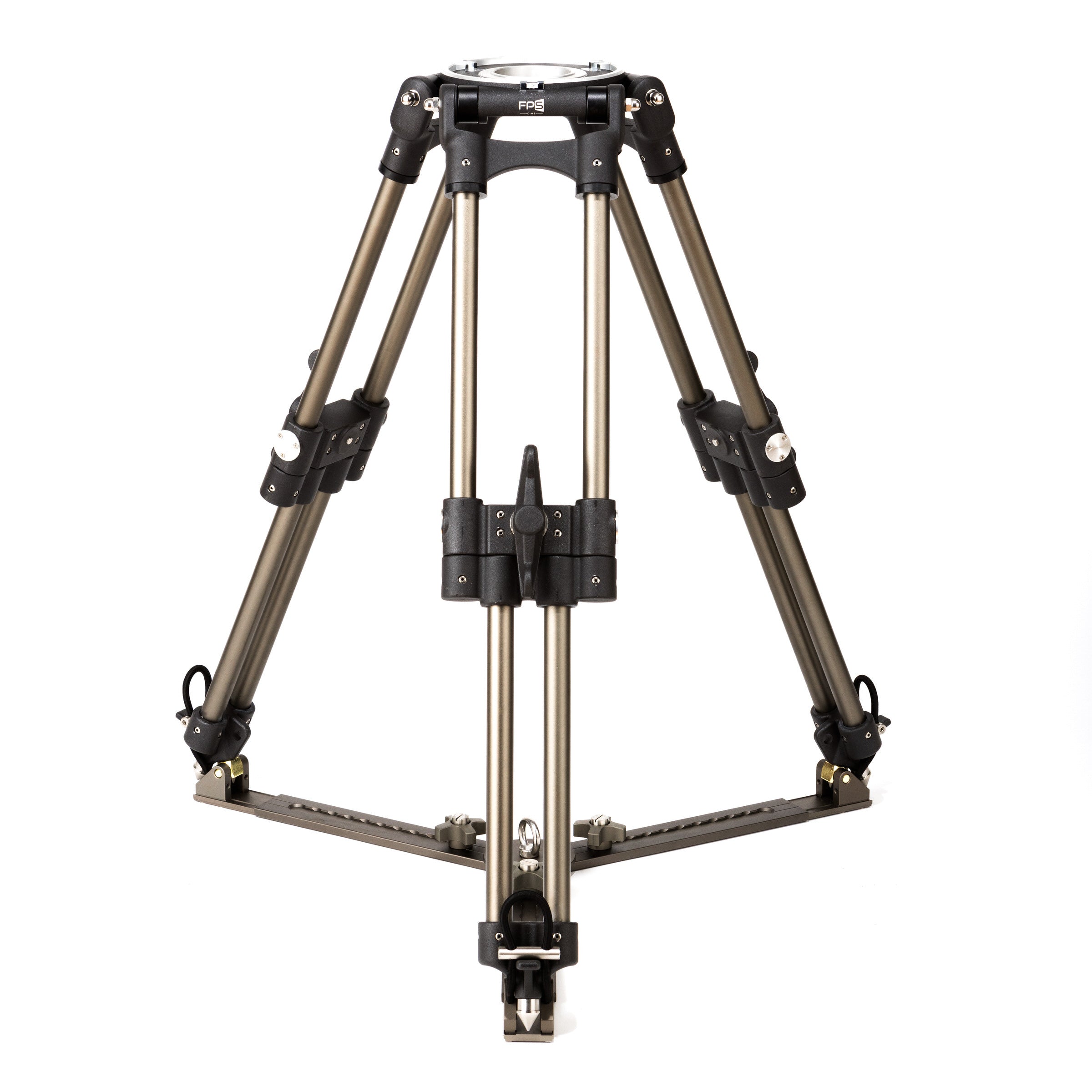
FPS Heavy-Duty Short Tripod (Mitchell)
How to Choose the Right Tripod for Your Camera Setup
The best place to start is with the size and weight of the camera system, along with the kind of shooting the tripod needs to support. A lighter setup may benefit from a more portable tripod that is easier to carry and deploy, while a heavier camera and lens combination may require a more stable support system with stronger payload handling and better overall balance. Working height, head compatibility, and how often the tripod will be moved or adjusted during production also play an important role in choosing the right option.
It also helps to think about how the tripod will function within the full camera workflow. Some productions need support that is mainly intended for static framing, while others need a setup that can better support repeatable movement, longer sessions, or more demanding production conditions. That is why the right tripod is usually the one that matches both the equipment on top of it and the way the shoot is actually being operated.
Do You Need a Lightweight Tripod or a More Stable Video Support Setup?
That depends on the balance between mobility and support. A lightweight tripod may be the better fit for creators, smaller crews, or location work where portability and faster setup matter most. A more stable video support setup may make more sense when the camera package is heavier, when smoother operation is important, or when the tripod needs to hold up under longer and more controlled shooting conditions.
For many buyers, the right decision is not just about choosing the strongest or lightest option. It is about identifying which type of support best matches the shooting style, transport needs, and practical demands of the production workflow.
How Tripods Fit Into Different Shooting Workflows
Tripods are often most effective when considered alongside related equipment such as fluid heads, tripod heads, broader camera support gear, monopods, camera rigs, and camera gimbals. Different workflows call for different support solutions, and tripod selection often makes more sense when viewed as part of a larger camera support system rather than an isolated purchase.
In that sense, this collection is less about buying any tripod and more about choosing the right support tool for the job. Buyers comparing tripod options should evaluate them based on the kind of shooting they do, how much stability or mobility they need, and how the tripod fits into the rest of the equipment they rely on during production.
Tripod FAQ
How do I choose the right tripod for my camera setup?
Start by looking at the size and weight of the camera system, along with how the tripod will be used. Payload, working height, portability, and head compatibility all affect whether a tripod is the right fit for the setup.
Do I need a lightweight tripod or a more stable video tripod?
That depends on the shooting workflow. A lightweight tripod may be better for location work and faster setup, while a more stable video tripod may be the better choice for heavier rigs, smoother operation, and more controlled production use.
What should I consider when choosing a tripod for video production?
Key factors include payload, stability, working height, portability, and whether the tripod supports the kind of shooting style and camera movement needed for production work.