How to Choose the Right Wireless Video System for Your Workflow
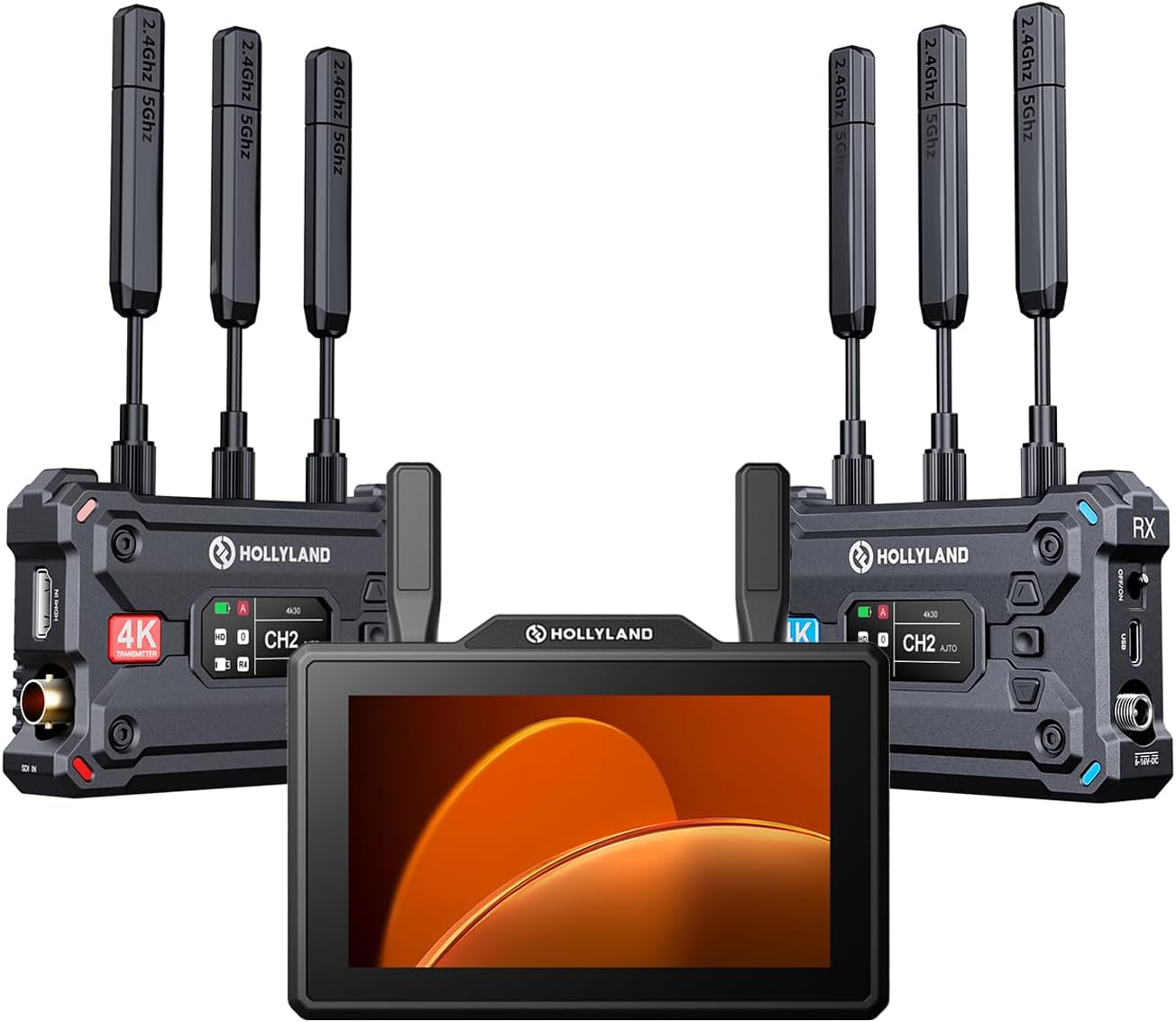
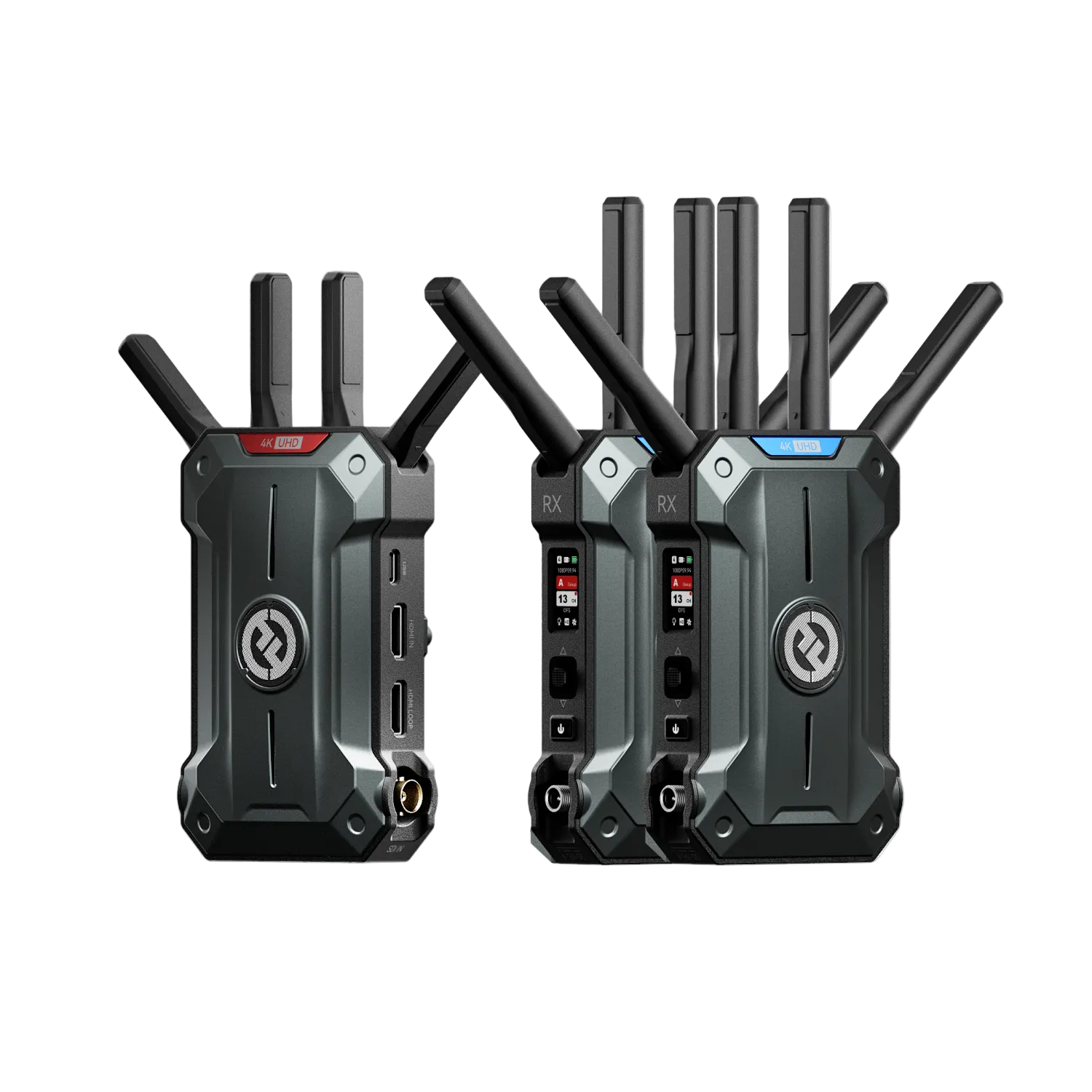
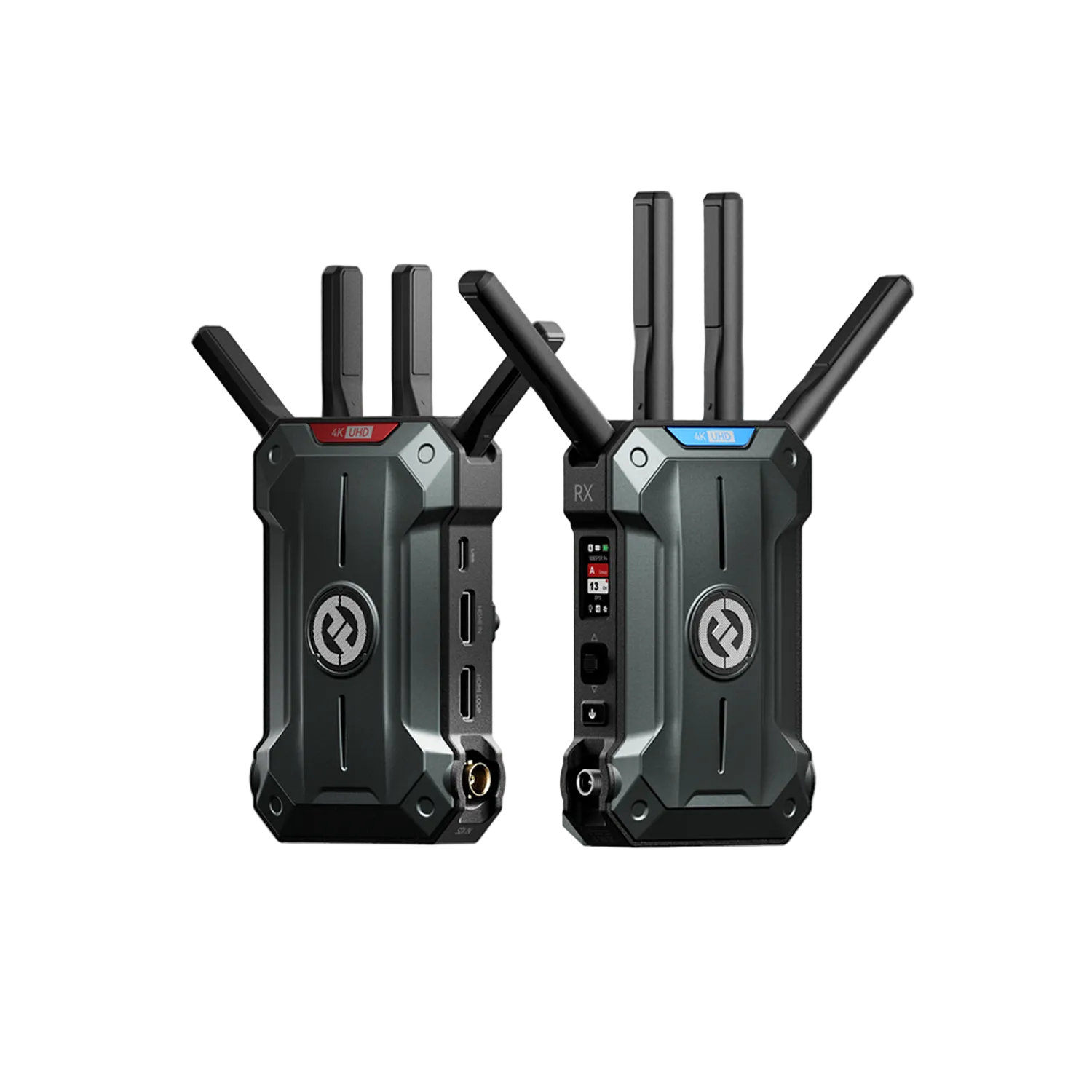
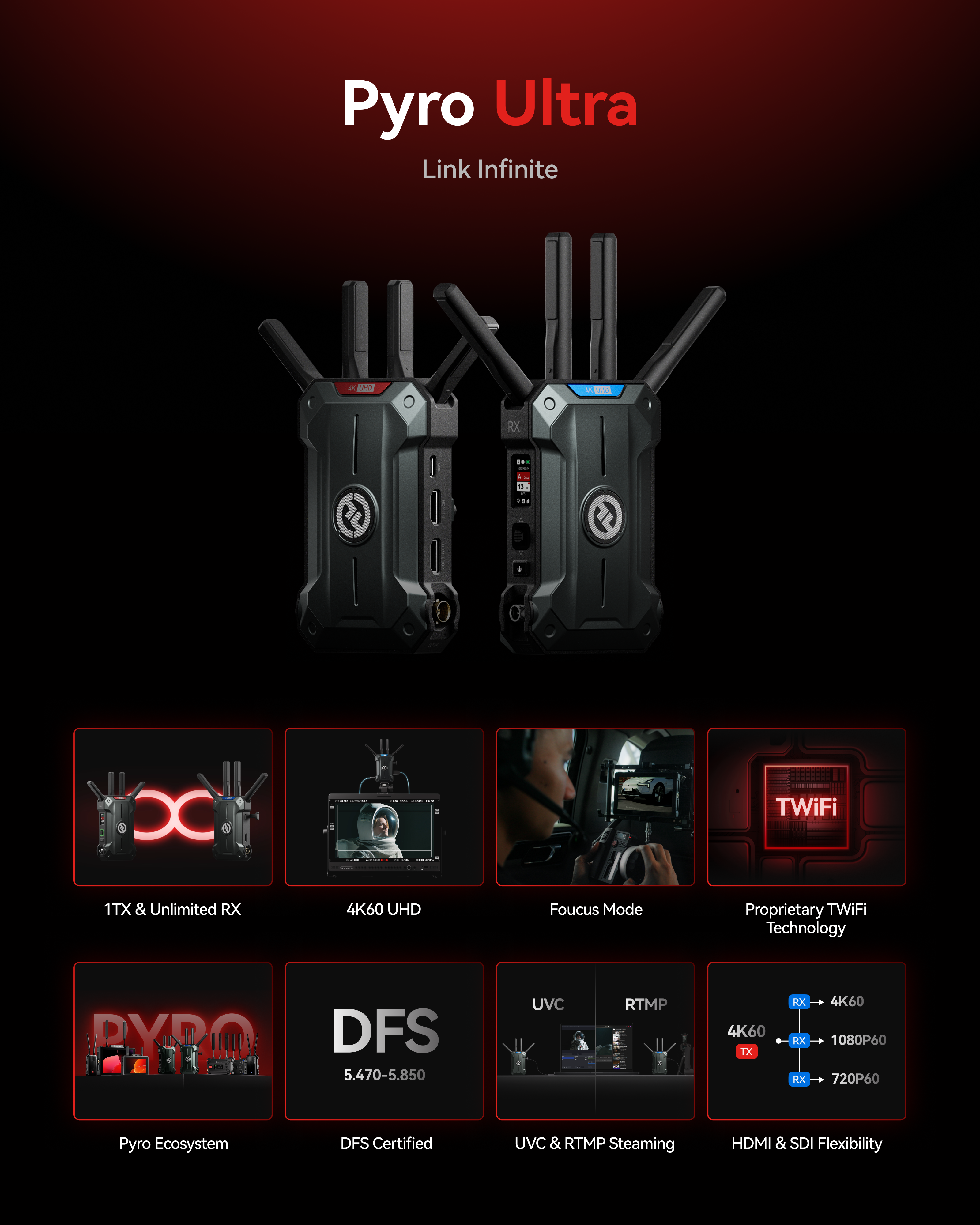
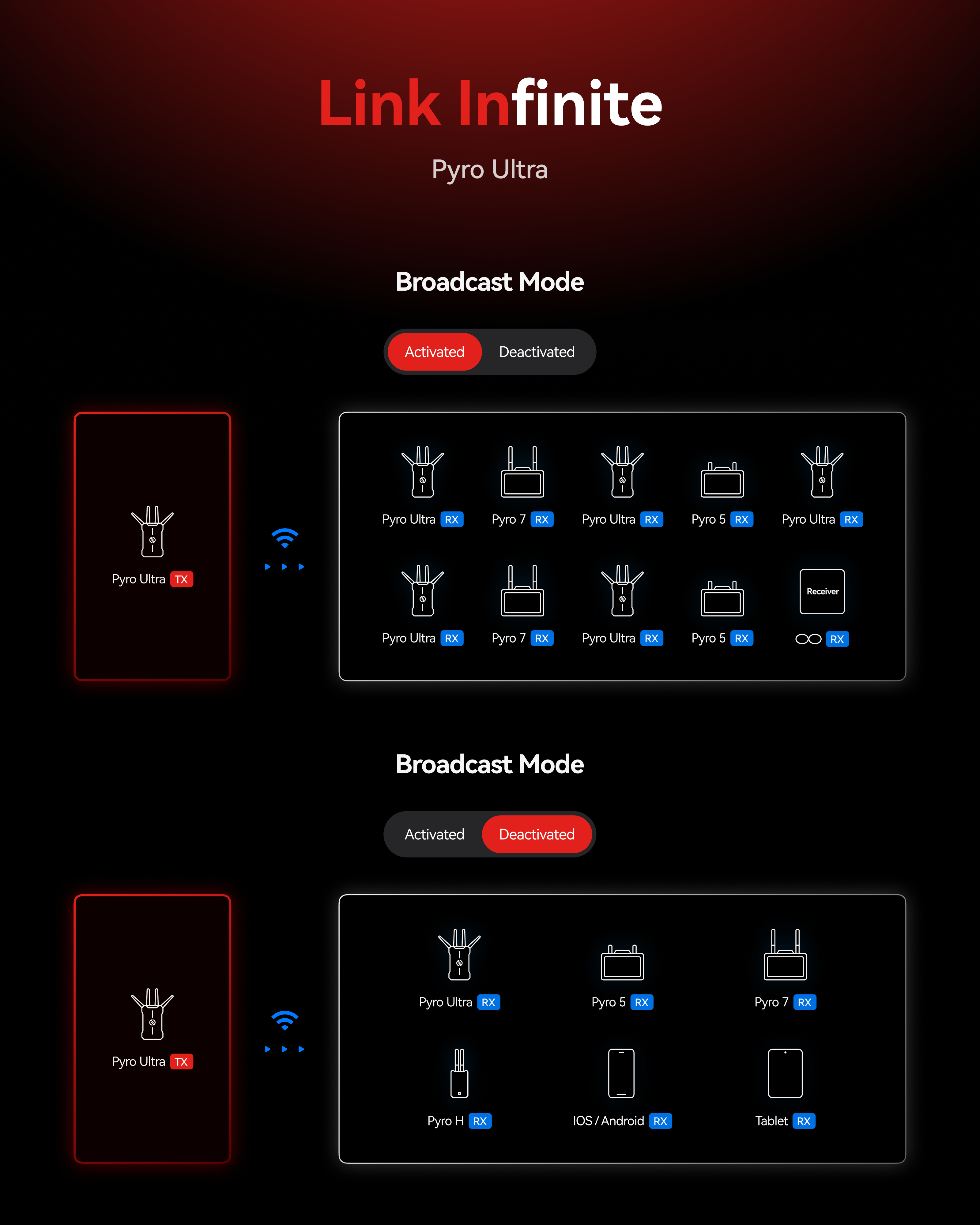
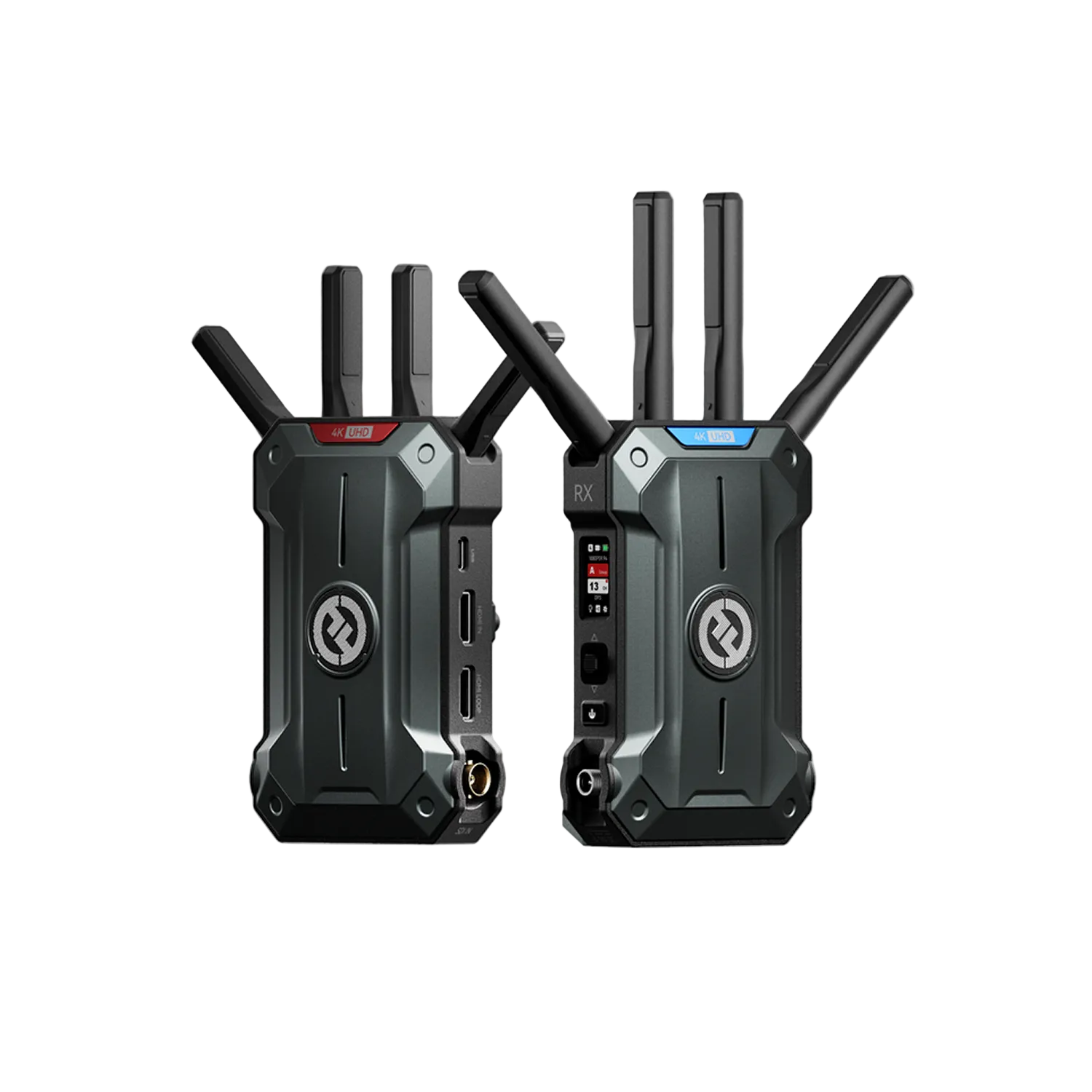
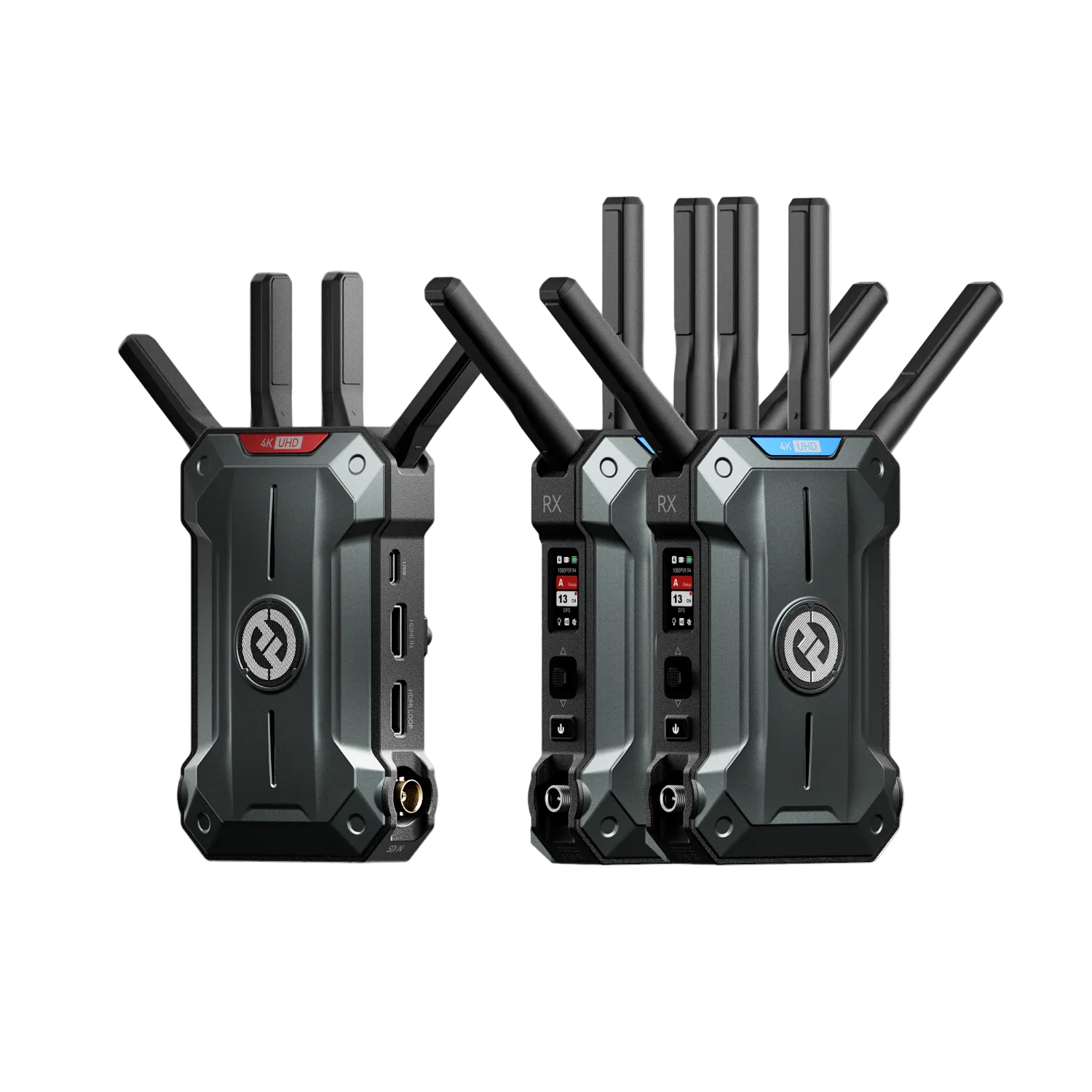
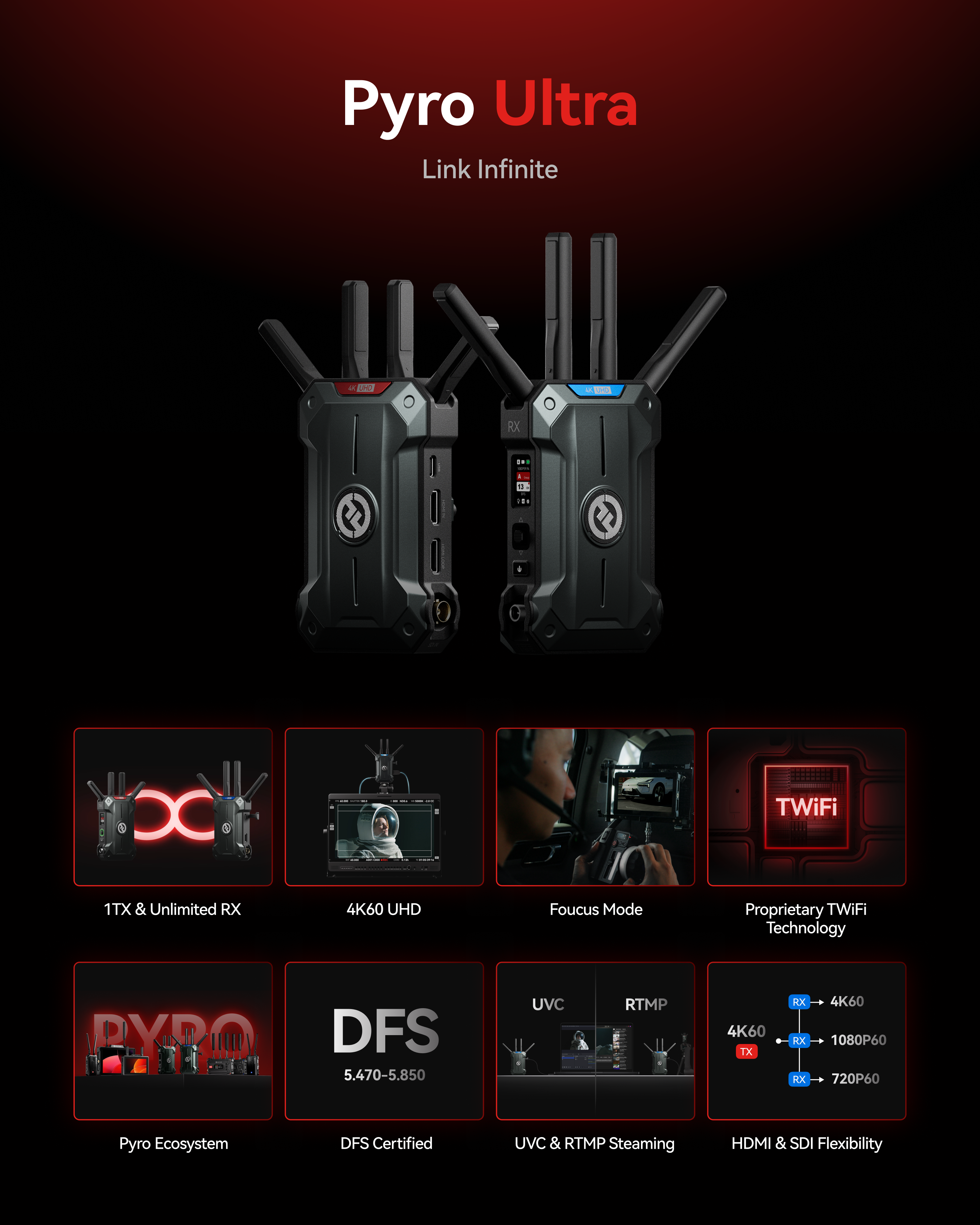
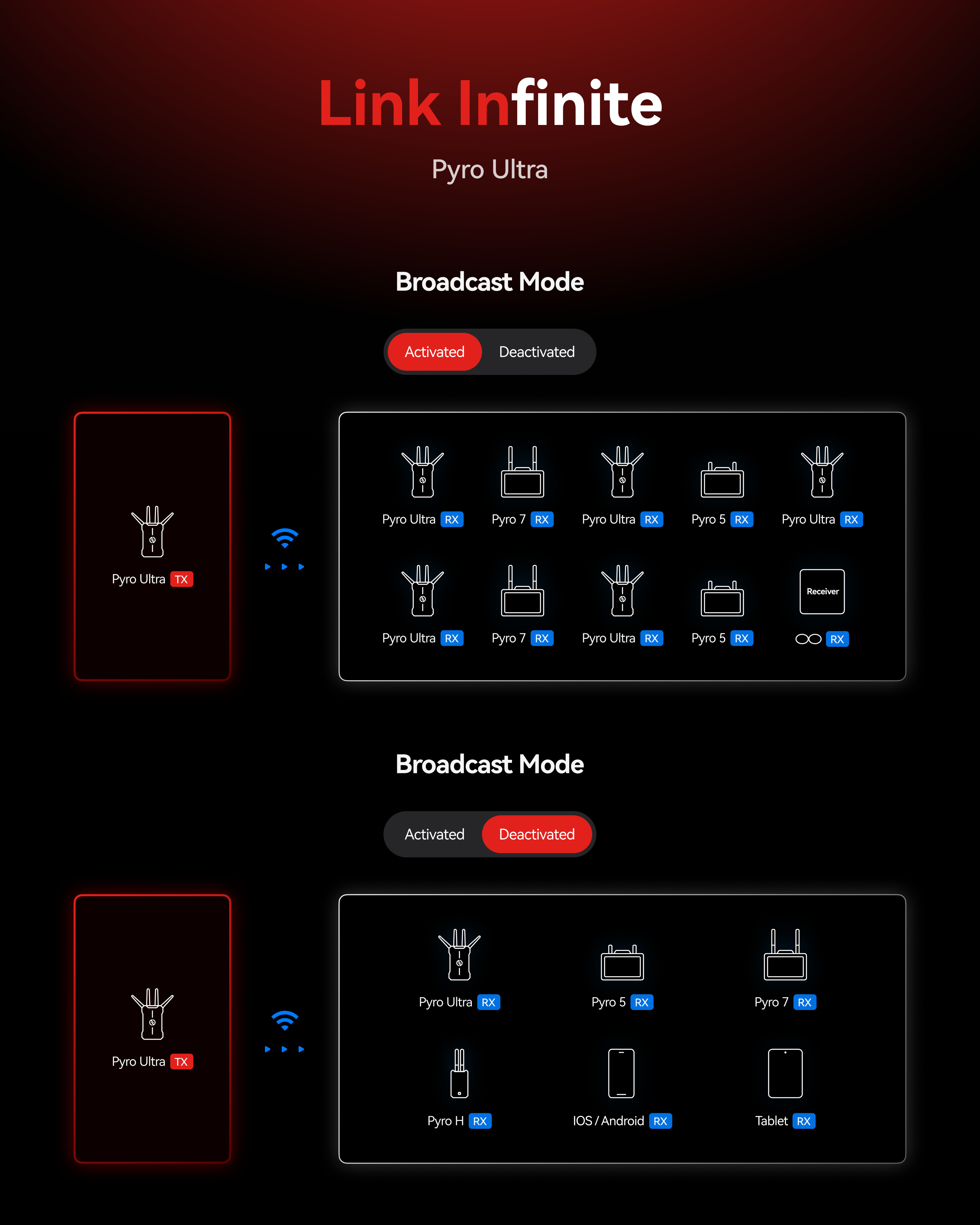
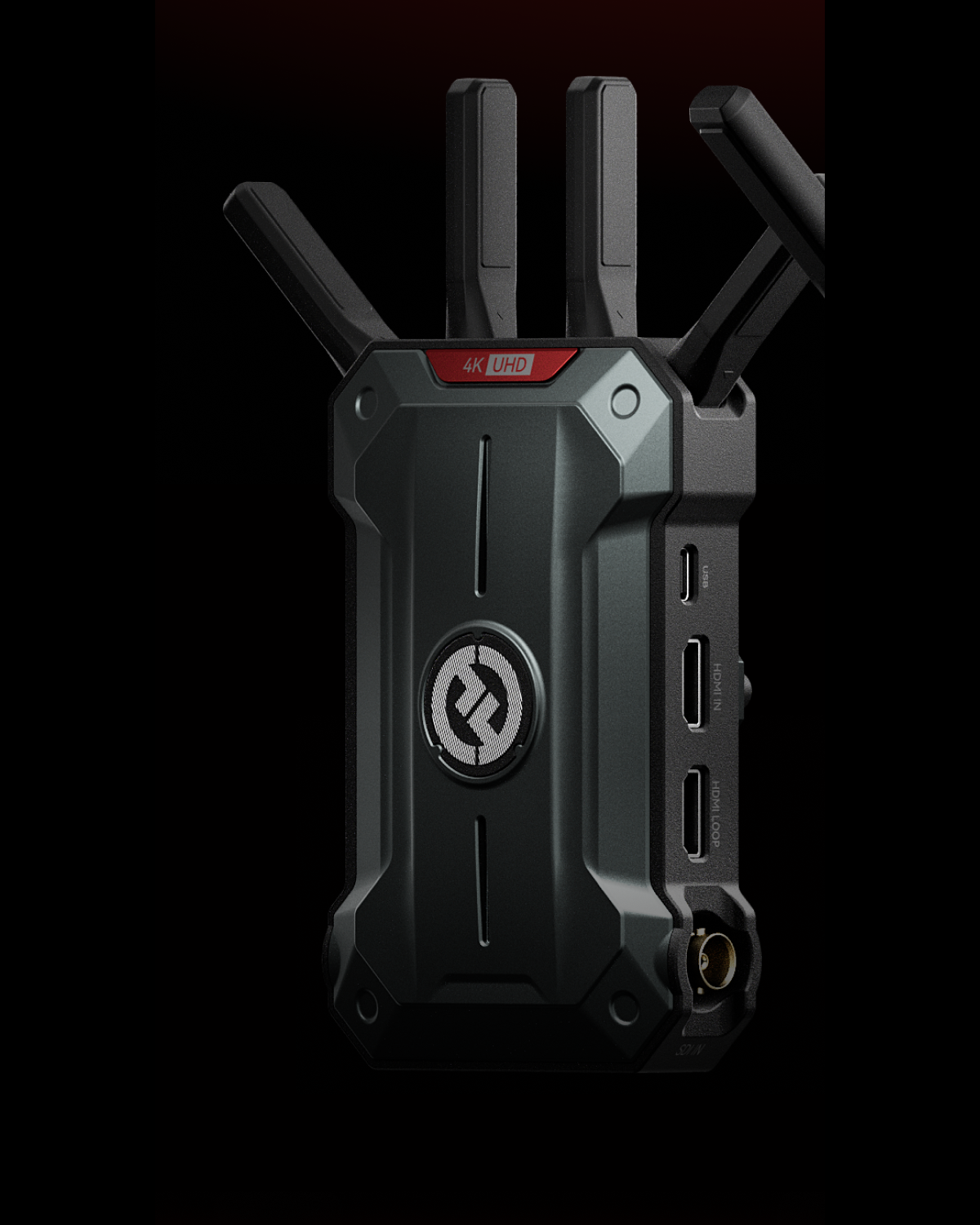
The best place to start is with how the signal needs to move through the production setup. Some users only need to send video from camera to a single monitor for lighter and faster shooting, while others need a system that fits into a more developed monitoring workflow with multiple viewers, more structured roles on set, or more demanding production conditions. In most cases, the right wireless video setup depends on transmission distance, latency expectations, receiver configuration, monitor compatibility, mounting options, power workflow, and how much flexibility the production actually needs.
It also helps to think about how the wireless system will function as part of the full camera build. A setup that works well for a compact rig or creator workflow may not be the best fit for a larger production environment, while a more complete monitoring system may provide benefits that matter more once the workflow includes directors, assistants, or additional crew members. That is why the right wireless video option is usually the one that matches the communication and monitoring demands of the shoot, not just the spec sheet.
Do You Need a Lightweight On-Camera Setup or a More Complete Monitoring System?
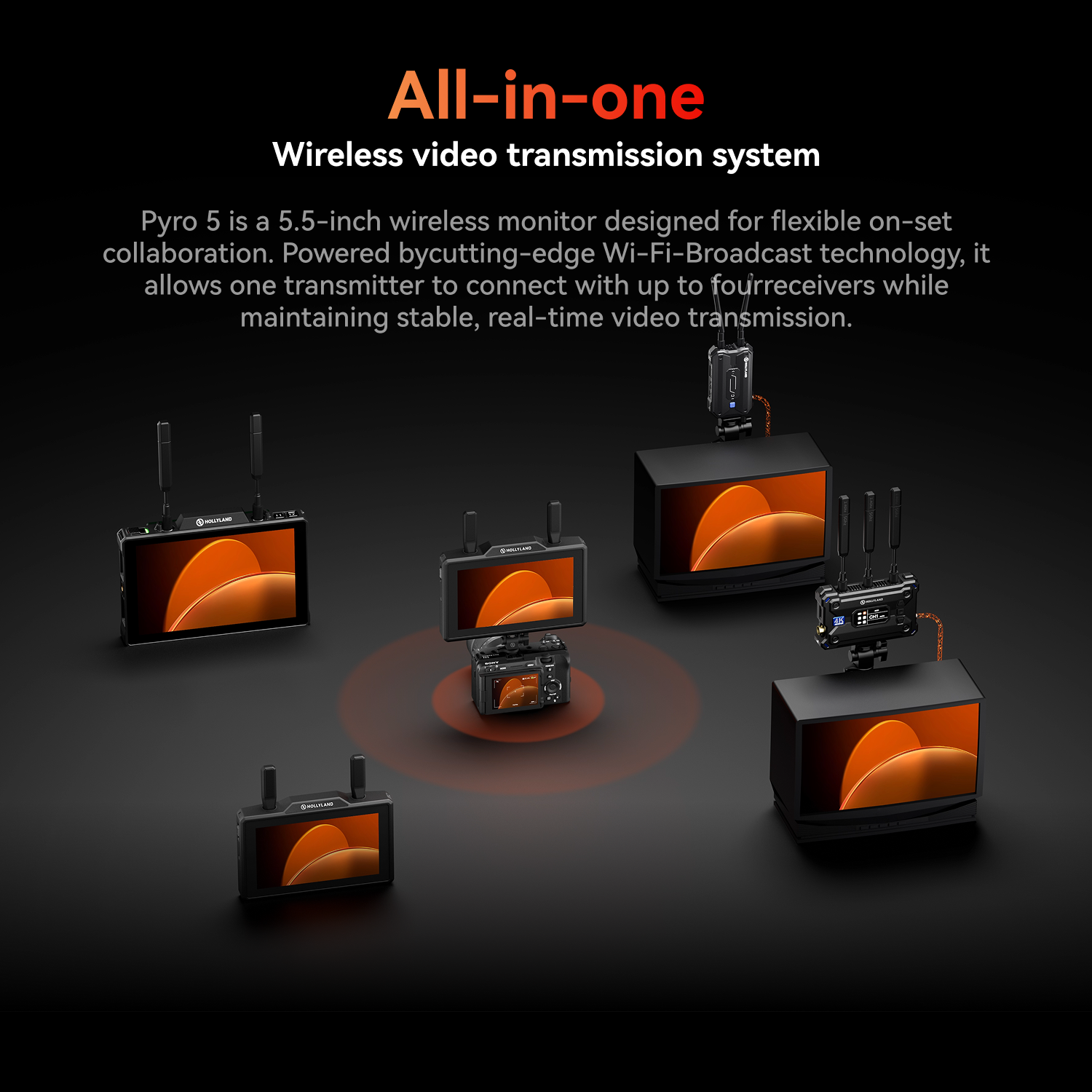
That depends on how the production is being run. A lightweight on-camera setup may be the better fit for smaller crews, mobile shooting, compact rigs, and faster-moving production days where simplicity matters. A more complete monitoring system may make more sense when the workflow involves separate viewing stations, more crew communication, client monitoring, or more structured on-set decision making.
For many buyers, the right choice is not simply the most advanced system available. It is the system that best supports the way the production team actually shoots, monitors footage, and manages signal flow on set.
How Wireless Video Fits Into On-Set Monitoring Workflows
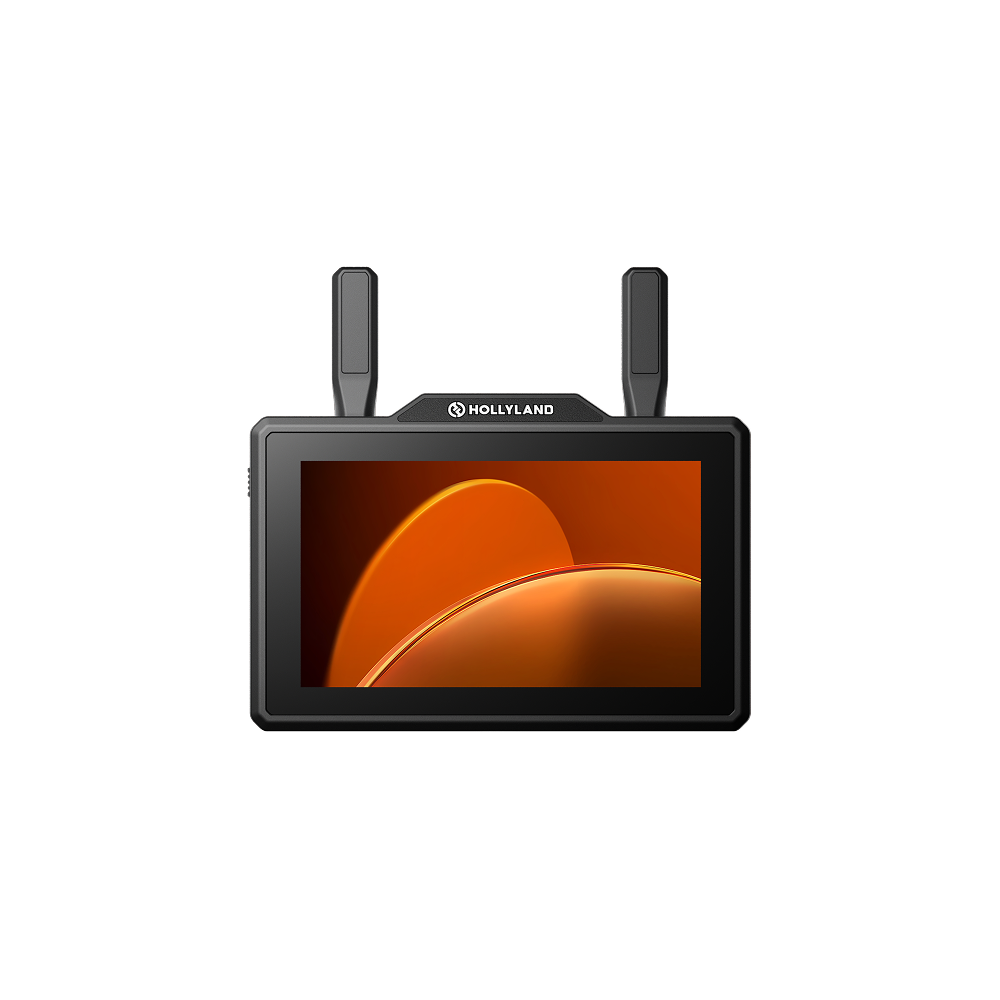
Wireless video gear is often most effective when considered alongside related equipment such as field monitors, on-camera monitors, video switchers, camera rigs, battery systems, and camera cages. In many real-world workflows, wireless video is only one part of a larger monitoring and rigging setup, and the right buying decision often depends on how those pieces work together.
In that sense, this collection is less about adding wireless capability in general and more about building a monitoring setup that supports the way the production operates. Buyers comparing wireless video systems should evaluate them based on the kind of set they work on, the monitoring roles involved, and the balance they need between speed, simplicity, flexibility, and on-set control.